How to Choose a Leaf Blower That Fits Your Yard
To choose a leaf blower, start by matching the tool to your yard size: a corded electric model works for small lawns, a battery-powered blower suits average suburban lots, and a gas backpack blower is best for large, leaf-heavy properties. We found that yard size and leaf volume are the two biggest factors, so be honest about your workload before you spend a dime. Start with these three categories to narrow your options fast.
Beyond the basic types, you’ll also want to weigh power, noise, and your own comfort. Battery life and charging time matter if you hate being tethered to an outlet, while air volume (CFM) and air speed (MPH) determine how well it moves wet, heavy leaves. Many experts say that a blower with high CFM is actually more useful than one with just a high MPH number.
- Small yard (under 1/4 acre): Save money with a lightweight corded electric blower.
- Medium yard (1/4 to 1/2 acre): Choose a 40V or 60V battery model for cordless freedom.
- Large yard (over 1/2 acre): Get a gas backpack unit for all-day power and comfort.
- Check CFM first: Look for at least 400 CFM for decent leaf moving power.
- Test the weight: Hold it before you buy; shoulder strain is a real dealbreaker.
Below, we’ll walk you through each blower type, the exact specs to compare, and a few pro tricks to avoid buyer’s remorse. Let’s find the perfect match for your yard, your back, and your budget.
Choosing a Leaf Blower That Actually Fits Your Yard
You don’t need a heavy-duty machine for a tiny patch of grass. You also don’t want a toy blower when you have five oak trees dumping leaves. Let’s break down the decision so you can buy once and be happy.
Start with the three main categories: corded electric, battery-powered, and gas. Each one has a sweet spot. Match that to your property, and you’re already halfway there.
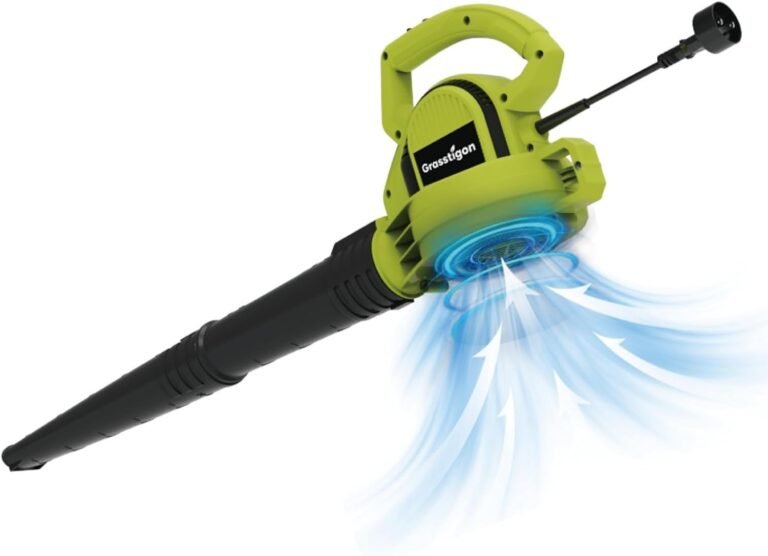
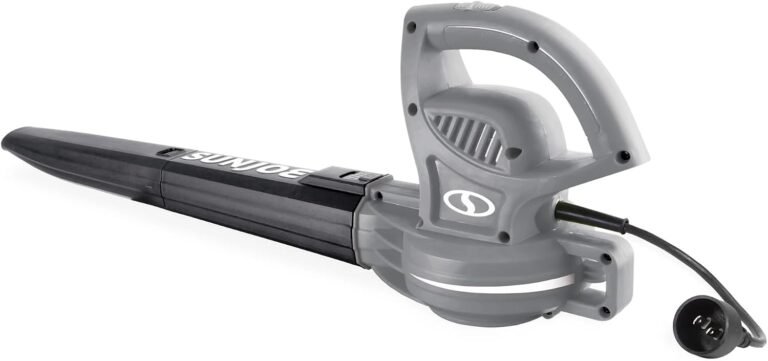
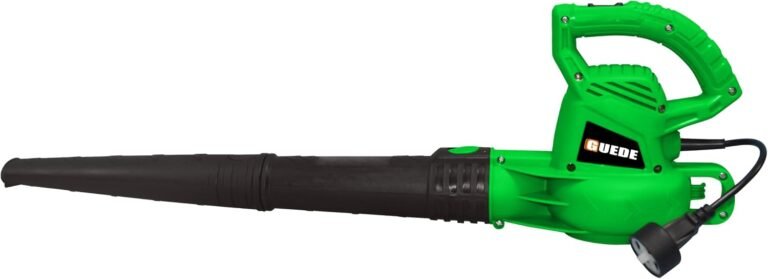
Corded Electric Blowers: Simple and Light
These are the workhorses of small yards. They plug into an outlet. That’s it.
You get constant power without worrying about charging. They’re also the lightest option. Many models weigh under 6 pounds, so they’re easy to handle.
Here’s the catch: you are tied to a cord. If your yard has a lot of trees or obstacles, you’ll spend time untangling that cord.
Who Should Pick a Corded Blower?
If your yard is under a quarter acre and you have an outlet nearby, this is your smart choice. You’ll save a good chunk of money. You also get reliable power for basic cleanup.
We found that corded electric blowers are the best value for casual users. They do the job without draining your budget. Look for at least 7 amps of power for decent performance.
Battery-Powered Blowers: The Popular Middle Ground
Most people now pick battery blowers. They’re free from the cord. They’re quiet enough for suburban neighborhoods. And they’re getting more powerful every year.
The batteries are usually around 40 to 60 volts. That gives you enough push for average-sized lawns. You’ll clear a typical suburban lot on one charge if you work efficiently.
The Battery Life Question
Battery life is the biggest fear people have. We get it. Nobody wants to run out of juice mid-cleanup.
Look for a blower with a high amp-hour rating. That number tells you how long the battery lasts. A 4.0Ah battery gives you roughly 30 to 40 minutes of use. Consider buying a spare battery if your yard is bigger.
Many experts say that battery blowers are now strong enough for most homeowners. They move wet leaves without a struggle. Best of all, you don’t have to deal with gas fumes or engine maintenance.
Gas Backpack Blowers: For Serious Leaf Duty
If you have a big yard, you already know the struggle. Raking is exhausting. A handheld gas blower might do the job, but your arms will pay the price.
Backpack blowers change the game. The engine sits on your back. The weight is spread across your shoulders and hips. This design cuts down on arm fatigue drastically.
Gas engines deliver high power for long sessions. You can run it all afternoon on a single tank. That makes them ideal for large properties, especially those with heavy leaf coverage.
Noise and Maintenance Considerations
Gas blowers are loud. Very loud. You’ll want ear protection. Some neighborhoods have noise rules, so check before you commit.
You also need to keep up with maintenance. That means mixing fuel, changing spark plugs, and cleaning filters. Many guidelines recommend storing gas properly to avoid engine troubles (Consumer Reports).
But for raw performance, gas remains king. If you’re clearing a half-acre or more, the extra effort is worth it.
Key Specs: CFM and MPH Made Simple
You’ll see two numbers everywhere when shopping. CFM stands for cubic feet per minute. MPH is miles per hour. Both matter, but one matters more.
CFM measures air volume. It tells you how much air the blower moves. Higher CFM means you can push a bigger pile of leaves.
MPH measures air speed. It tells you how fast the air travels. High MPH helps move wet, stuck leaves.
Here’s the pro tip: focus on CFM first. Moving lots of air is more important than moving air fast.
| Spec | What It Does | Good Starting Point |
|---|---|---|
| CFM | Moves leaf piles and large debris | 400+ CFM |
| MPH | Blasts stuck or wet leaves | 125+ MPH |
| Battery Voltage | Power and runtime for electric models | 40V or higher |
| Weight | Comfort during long use | Under 10 lbs |
Many experts say that high CFM with moderate MPH is the best combo for leaf cleanup. It lets you push big piles without blasting mulch all over your flower beds. That’s a win.
Comfort and Ergonomics: Don’t Ignore Your Back
You’ll be spending real time with this tool. Your body needs to survive the experience. Weight distribution matters more than total weight in many cases.
Handheld vs Backpack Design
Handheld blowers are fine for short jobs. They’re easy to store. They’re also easy to grab for a quick cleanup.
But after 20 minutes, your forearm starts to ache. The constant vibration does a number on your hand too.
A backpack blower spreads the weight across your shoulders and back. The design shifts the center of gravity, so you feel less strain. For bigger yards, it’s a lifesaver.
Test the Weight Before You Commit
Here’s some practical advice: hold the blower in the store. Feel the balance. Simulate the motion you’ll be doing for a minute.
Pay attention to the handle grip. Is it comfortable? Can you reach the controls easily? A poorly placed switch can frustrate you every single use.
We found that user comfort is often the real dealbreaker after purchase. People rarely complain about power. They complain about sore shoulders and tired arms.

Practical Tips for Making the Final Choice
Now you have a solid idea of what to look for. Let’s wrap our heads around the decision with a simple checklist. Tick off these boxes when you’re ready to buy.
- Measure your lawn and note the leaf volume honestly.
- Check if your neighborhood has noise restrictions.
- Decide on battery, cord, or gas based on your hours of use.
- Look for at least 400 CFM and 125 MPH on any model.
- Hold the blower in person to test balance and grip.
- Budget for an extra battery or a fuel stabilizer if needed.
One more thing to think about: the seasons are short. Your blower will sit in the garage for months at a time. That’s okay. Just make sure you store it properly so it starts right up next fall.
The good news is that there’s no wrong answer in the modern market. Even budget models are better than what pros used a decade ago. It comes down to matching the tool to your specific situation.
Conclusion
Choosing the right leaf blower comes down to your yard size, your tolerance for noise, and your own physical comfort. We walked you through corded, battery, and gas options, plus the CFM and MPH numbers that actually matter. You also learned why weight distribution and handle grip can make or break your experience.
Now it’s time to make the call. Grab a tape measure and get a rough idea of your square footage. Then, visit a local hardware store and hold a few models in your hands. Feel the weight, squeeze the trigger, and imagine yourself using it for a full hour.
Match that feeling to your yard’s needs, and you’ll find a blower you’ll be happy to use for years to come.
Frequently Asked Questions
Is it better to get a leaf blower with a higher CFM or higher MPH?
Focus on CFM first. That’s the air volume, and it’s what moves big piles of leaves efficiently. MPH helps blast wet or stuck leaves, but without enough CFM, the blower just won’t move enough material to be useful.
Can I use a leaf blower to clear grass clippings on my driveway?
Yes, you can. A blower with at least 400 CFM will handle grass clippings on hard surfaces quickly. Just keep in mind you’ll need to touch up the edges with a broom to get everything fully clean.
How do I store a leaf blower for the winter months?
For gas models, drain the fuel tank or add a fuel stabilizer before storing. For battery models, charge the battery to about 50 percent and store it in a cool, dry place. Always keep the unit out of freezing temperatures to protect the plastic and seals. If your blower won’t start next season, our leaf blower troubleshooting guide covers quick fixes.
Are leaf blowers bad for the environment?
Gas blowers do produce emissions and noise. Battery models are much cleaner and quieter, making them a solid eco-friendly choice for most homeowners. The electric grid isn’t perfect, but you’ll cut your local pollution down significantly with a corded or cordless option.
What’s the main difference between a leaf blower and a leaf vacuum?
A leaf blower pushes air to move debris. A leaf vacuum sucks leaves into a bag, often shredding them for compost. If you have large piles that need collecting, a vacuum function is handy. If you just want to move leaves off your lawn, a standard blower is enough.