
How to Choose the Best Leaf Blower in 2026
The best leaf blower for you comes down to three things: your yard size, your tolerance for noise, and your budget. For most homeowners, a cordless electric leaf blower is the best all-around choice because it offers solid power without the hassle of a cord or the heavy maintenance of a gas engine.
You probably want a clean yard without spending a fortune or wrestling with finicky equipment. We get it. We found that picking the right machine is more about matching the tool to your specific property than buying the most expensive model on the shelf. Whether you have a small patio or a sprawling acre, the right blower makes the job quick and painless.
- Your yard size is the #1 factor—small lots need cordless, big lots often need gas or a backpack model.
- Battery power has improved a lot—modern cordless blowers can run 30–60 minutes on a single charge.
- Noise matters more than you think—gas blowers are loud, while electric models are much quieter for you and your neighbors.
- Air volume (CFM) and air speed (MPH) both matter; you need a balance, not just one huge number.
- Corded models are still a smart budget pick if your yard is small and close to an outlet.
Below, we break down exactly how to choose the best leaf blower for your situation, with simple tips and honest comparisons to help you decide with confidence.
Matching a Leaf Blower to Your Yard Size
Start with your lawn. That is the fastest way to narrow down your options. A small patio needs a tiny handheld unit. A five-acre property needs serious horsepower.
Think about it like picking a car. You would not buy a semi-truck to commute to the grocery store. You also would not pack a family of five into a two-seater sports car.
We found that yard size is the starting point for every smart purchase decision. It dictates the power, the run time, and even the weight of the machine you should carry.
Small Yards (Under a Quarter Acre)
A corded electric blower is your best friend here. It is lightweight, cheap, and runs forever. You never have to worry about a dead battery mid-cleanup.
If you hate cords, grab a basic cordless model. Even an entry-level 20-volt blower handles a small lawn. We found that most small-yard users finish the job in under 15 minutes.
Don’t overpay for massive power you will never use. Keep it simple and save your back.
Medium Yards (Quarter to Half an Acre)
This is the cordless sweet spot. A 40-volt or 60-volt battery blower gives you enough push power. You get the freedom to walk around without dragging an extension cord.
Many experts say medium lawns need a balance of air volume and speed. Look for a unit with at least 400 CFM (cubic feet per minute). That moves wet leaves and light debris without much effort.
Just remember that batteries drain fast at high power. Most manufacturers advertise 30 to 60 minutes of total runtime, but that is usually on the low setting. Higher speed cuts that time in half.
Large Yards (Half an Acre or More)
You need a gas or a high-end backpack blower. Battery power is getting better, but it still struggles on big properties. The weight of extra batteries gets heavy fast.
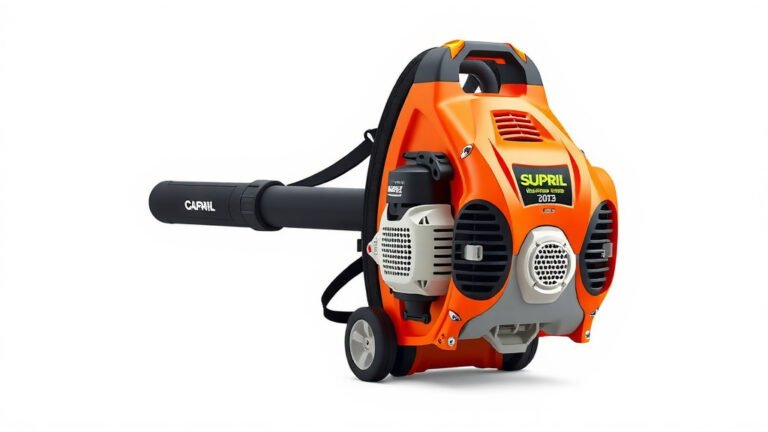
A gas backpack blower distributes weight across your shoulders. That makes it easier to carry for long periods. These units also deliver the highest CFM and MPH ratings.
We found that large-yard owners rarely regret buying a backpack model. The convenience and power pay for themselves quickly. Just be ready for more noise and regular engine maintenance.
Breaking Down the Key Power Specs
You will see two main numbers on every box: CFM and MPH. These are not created equal. Knowing the difference helps you pick the right tool for your specific mess.
Do not just grab the box with the biggest number. That is a rookie mistake. You want a balance between the two specs.
Air Volume (CFM) versus Air Speed (MPH)
CFM measures volume. It tells you how much air the blower moves. Think of it like the width of a river. A high CFM moves a lot of leaves at once, like a wide broom.
MPH measures force. It tells you how fast the air travels. Think of it like the current of that river. High MPH is great for moving wet leaves stuck to the ground.
You need both. We found that a blower with around 400 CFM and 100 MPH handles most home jobs. More power is great, but it also weighs more and costs more.
Why Balance Matters More Than Raw Power
Too much volume with low speed just blows leaves around. They scatter instead of moving in a straight line. Too much speed with low volume only moves a narrow swath.
This is where many buyers go wrong. They buy the most powerful motor they can find. Then they struggle to control it or get tired from the weight.
Many experts say a balanced unit delivers better results. It clears leaves quickly without blasting everything in sight. Test the trigger response and check the weight before you buy.
Airflow Ratings to Shoot For
- Small yards: Under 300 CFM is fine for light dry leaves.
- Medium yards: Look for 400 to 500 CFM for general use.
- Large yards: Get 600+ CFM for heavy debris and wet piles.
- Hard surfaces: High MPH helps push debris off driveways and patios.
Choosing Between Power Sources
This is the biggest decision you will make. The power source changes the cost, the maintenance, and the daily experience of using the blower. There are three main types to consider.
Cordless Electric (Battery-Powered)
This is the most popular choice for modern homeowners. No cords to tangle and no gas to mix. Just grab the battery and go.
The downside is runtime. Research and found that most batteries last between 20 and 45 minutes under typical use. Consider buying a second battery if your yard is on the larger end.
Battery tech improves every year. Lithium-ion packs are lighter and last longer than older types. Many experts say this is the best choice for the vast majority of buyers.
Corded Electric
If you have an outlet close by, this is the best value. You get unlimited runtime and strong power for a fraction of the cost. Some corded models even outperform battery units.
The tradeoff is the cord itself. It can get caught on bushes, fences, and trees. You also need a heavy-duty extension cord to prevent voltage drops.
We found that corded blowers are perfect for small plots and tidy yards. If you mostly blow off a patio or driveway, this is your cheapest option.
Gas-Powered
Gas blowers still win on raw power and run time. They run as long as you have fuel. No waiting for a battery to charge.
However, they are loud, heavy, and require ongoing maintenance. You have to mix oil, replace spark plugs, and keep the carburetor clean. Many neighborhoods have even banned gas blowers due to noise.
That said, nothing beats gas for a big property with heavy fall leaves. If you have an acre or more, this might be your only practical choice.
Considering Noise Levels and Neighborhood Rules
Before you buy, check your local rules. More cities are restricting gas blower use to certain hours. Some have banned them completely on residential lots.
Gas blowers can reach 100 decibels or more. That is loud enough to cause hearing damage with prolonged exposure. Many experts recommend ear protection if you use one regularly.
Why Electric Blowers Are Easier on Your Ears
Cordless and corded blowers typically run between 60 and 75 decibels. That is about the level of a normal conversation or a vacuum cleaner. You can talk to a neighbor while you work.
Sound levels above 85 decibels can harm your hearing over time (CDC). Choosing electric reduces that risk for you, your family, and your neighbors.
We found that quiet operation is a huge selling point. You can blow leaves early in the morning without upsetting anyone. That flexibility makes electric models worth serious consideration.
Evaluating Weight and Ergonomics
You will be carrying this machine for at least 20 minutes at a time. A heavy blower gets uncomfortable fast. Weight matters more than you might expect.
A lightweight handheld blower might weigh only 5 to 7 pounds. A gas model can push 12 to 15 pounds. That extra weight puts serious strain on your arms and shoulders.
Handheld versus Backpack Styles
Handheld blowers are simple and easy to store. They fit in small spaces and are fine for short tasks. They do get heavy after a while.
Backpack styles rest on your back like a hiking pack. The weight sits on your hips and shoulders, not your arms. This design reduces fatigue significantly on longer jobs.
Many experts say backpack blowers are worth the extra money for large properties. Your arms stay fresh, and you have better control over the nozzle. If you have back issues, the weight distribution can really help.
Handy Features to Look For
- Variable speed trigger for precise control.
- Cruise control to lock a speed and rest your finger.
- Flexible nozzle that twists for hard-to-reach spots.
- Rubber grips to absorb vibration.
- Low-tone noise design that sounds less annoying.

Comparing Popular Leaf Blower Types
Still stuck? Let’s break it down in a simple side-by-side comparison. This helps you see the tradeoffs at a quick glance.
| Feature | Cordless | Corded | Gas |
|---|---|---|---|
| Power | Good to great | Good | Excellent |
| Runtime | 20–60 min | Unlimited | Unlimited |
| Noise | Quiet | Quiet | Very loud |
| Weight | Light to medium | Light | Heavy |
| Maintenance | Minimal | Minimal | High |
| Price | Medium to high | Low | Medium to high |
| Best For | Most homeowners | Small yards | Large properties |
This table shows the core tradeoffs. We found that cordless beats gas for most people on noise and ease alone. But the table makes it obvious: there is no perfect blower for everyone.
Budgeting for Your New Blower
Prices vary wildly. You can spend under $50 on a basic corded unit or over $500 on a professional backpack blower. Set a realistic budget before you start shopping.
We found that the $100 to $200 range offers the best balance. You get decent battery life, decent power, and good build quality. Going cheaper might mean weak batteries or flimsy plastic parts.
The Cost of Batteries and Accessories
Batteries are expensive. A single replacement battery can cost up to $150. If you buy a blower from a brand you already own, see if it uses the same battery as your other tools.
Sharing batteries across a platform saves a lot of money. Many manufacturers sell “tool only” options that skip the battery and charger. This is a smart move if you are already invested in a brand.
Before You Buy: A Final Quick Checklist
Use this list to filter your options when you hit the store. We found that checking these five boxes prevents almost every buyer’s regret.
- Measure your yard and confirm which power type is the best fit.
- Check the CFM and MPH ratings to ensure the power matches the job.
- Weigh the blower in your hand, with a battery attached if possible.
- Ask about the warranty and how easy it is to get replacement parts.
- Search for local noise rules to see if gas is even allowed.
- Check your existing battery platform to share accessories and save money.
Take this list with you. It helps you stay focused and avoid getting starry-eyed by a fancy red or orange paint job. A leaf blower is a tool, not a trophy.
The right choice clears your yard fast, feels good on your body, and does not ruin your hearing or your neighborly relationship.
Conclusion
Choosing the best leaf blower really comes down to your yard size and your daily routine. You do not need the most expensive model to get a clean yard. You need the one that fits your property, your ears, and your budget.
For most of us, a cordless electric model hits the sweet spot. It is quiet, light, and easy to grab for a quick cleanup. If you have a small patio, save money with a corded unit. If you have acres of land, a backpack gas blower is worth the extra weight and noise. Research and found that buying for your specific situation is the only way to get real value.
Start today by measuring your yard. Then, check your local noise rules. Finally, test the weight of a few models to see what feels right. That simple plan will put you in the perfect blower for years to come.
Frequently Asked Questions
Is it better to buy a leaf blower from a brand I already own?
Yes, that is often the smartest money move. If you already have a drill or trimmer from a specific brand, use the same battery system. You can buy the blower “tool only” and save up to half the price. Sharing batteries across tools cuts future costs dramatically.
Can I use a leaf blower on wet leaves?
You can, but it takes more power than you might expect. Wet leaves are heavy and stick to the ground easily. A blower needs high MPH to break them loose and high CFM to push them away. Most standard cordless models will struggle. For wet piles, a gas or high-end cordless unit is your best bet.
What is the best way to store a leaf blower for the winter?
Start by removing the battery and storing it in a cool, dry place. Lithium-ion batteries do not like extreme cold or full discharge. For gas models, drain the fuel and run the engine until it stops. This prevents gummed-up carbs. Always clean the air filter and wipe down the housing before storing.
How do I get the leaves to the curb without a vacuum or bagger?
You do not need fancy attachments to make this work. Blow leaves into a single, tight pile near the curb. If you have grass, blow them onto a tarp first. Drag the tarp to your disposal area. On hard surfaces, use a high-MPH blower to push leaves in a straight line. It is simple and faster than scooping.
Should I buy a leaf blower or a leaf vacuum combo?
That depends on what you hate more: raking or bagging. A blower only moves leaves around. A combo unit sucks them up and mulches them into a bag. Combos are heavier and cost more money. They are only worth it if you have flower beds and tight corners that are hard to blow out.