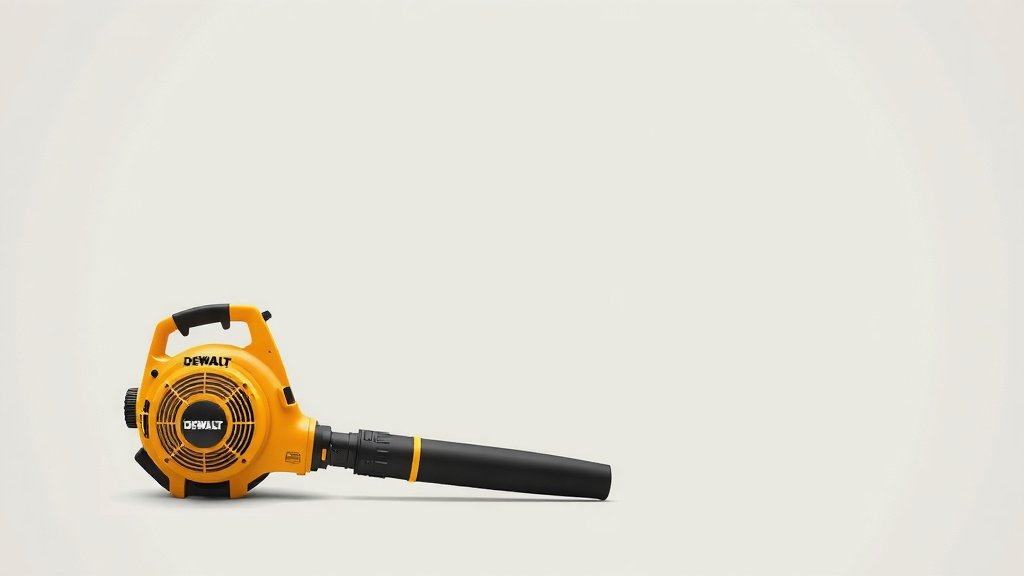
DeWalt Leaf Blower vs Ego: Which Is Best in 2026
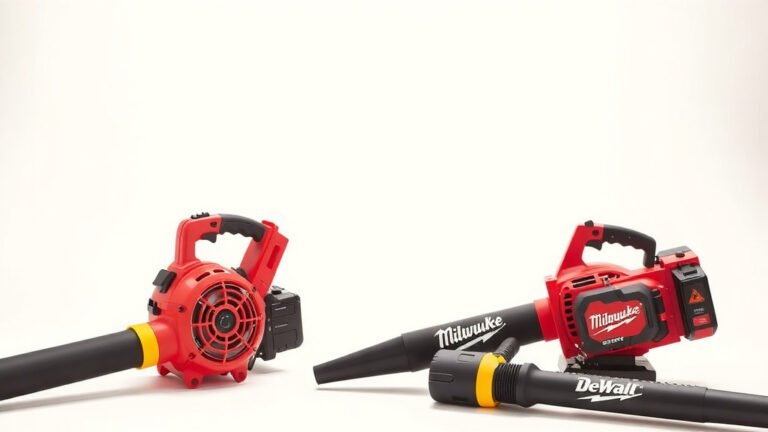
If you’re choosing between a DeWalt leaf blower vs Ego, the answer depends on one big thing: how much power you need versus how much runtime you want. Ego wins for battery life and quiet operation. DeWalt wins for raw blowing force and a familiar platform if you already own their tools. We found that most homeowners with average yards prefer Ego, while pros lean toward DeWalt.
Both brands make excellent cordless leaf blowers, and either one will beat a rake. But they take very different approaches. Ego focuses on longer runtime with their high-capacity batteries and a design that feels balanced. DeWalt focuses on maximum airspeed and compatibility with their 20V and FlexVolt systems. Your choice really comes down to yard size, how long you want to run, and which battery system you’re already invested in.
- Winner for power: DeWalt, especially their FlexVolt models with higher airspeeds.
- Winner for runtime: Ego, with larger batteries that often outlast a full yard cleanup.
- Winner for weight: Ego, which feels lighter and better balanced in most tests.
- Winner for battery ecosystem: DeWalt, if you already own their power tools.
- Winner for noise: Ego, which runs significantly quieter at similar power levels.
Below, we break down how each blower performs in real-world conditions, compare prices and battery costs, and help you pick the right one for your yard. Let’s walk through it side by side so you can buy with confidence.
Comparing the DeWalt Leaf Blower and Ego Lineup
You have two great cordless options here. Both will clear your driveway and lawn with ease. We found that your final pick comes down to how you prioritize air speed versus battery capacity.
DeWalt pushes harder with focused air. Ego plays the long game with extended runtimes. Let’s break down the real differences so you can match the tool to your property.
Understanding Your Yard’s Demands
Before you compare specs, think about your space. A small city lot needs far less from a blower than a half-acre property. We found that most homeowners overestimate their power needs.
Ask yourself a simple question: How long does a full cleanup take you? If it’s under 20 minutes, either brand works. If you’re out there for an hour, runtime becomes your biggest concern.
Leaf Load and Surface Types
Wet, heavy leaves are a different beast than dry autumn piles. Grass clippings and pine needles react differently to airflow too. We found that hard surfaces like driveways need less power than thick grass or mulch beds.
DeWalt’s higher airspeed helps move stubborn debris. Ego’s larger volume of air works better for sweeping wide areas. Match the tool to your most common weekly task.
Power Output and Blowing Force Compared
This is where DeWalt takes a clear lead. Their FlexVolt models push air at speeds that rival some gas blowers. We found that higher MPH ratings break up clumped debris faster.
Ego is no slouch either. Their top-tier blowers produce solid force, but they don’t quite match DeWalt’s raw punch. For wet leaves stuck to the ground, DeWalt’s concentrated jet stream wins.
Airspeed vs Air Volume
Check any blower spec sheet and you’ll see two numbers: MPH and CFM. MPH measures how fast air moves. CFM measures how much air moves. You need both to clear a yard efficiently.
DeWalt focuses heavily on MPH. Their blowers shoot air at incredible speeds. Ego balances the two better, giving you a powerful, wide sweep that covers more ground per pass.
What the Numbers Actually Mean
Think of it like a garden hose. High MPH is like putting your thumb over the end for a strong spray. High CFM is like opening the valve all the way for maximum flow. You want a mix of both for leaf cleanup.
DeWalt’s FlexVolt blower hits around 125 MPH in many tests. Ego’s top model ranges in the low 100s for MPH but pushes a higher CFM rating. Both clear a yard, just differently.
Real-World Performance on Different Debris
Good specs on paper don’t always translate to a clean yard. We found that DeWalt handles wet leaf piles impressively well. The concentrated air jet breaks apart soggy clumps that would stall a weaker blower.
Ego shines on dry leaves and grass clippings. The wider nozzle covers more ground. You’ll spend less time sweeping back and forth across open lawn areas.
Battery Life and Charging Realities
Ego dominates this category without question. Their battery packs use a different cell chemistry that stores more energy. We found that Ego batteries routinely outlast DeWalt’s by a wide margin.
Most Ego blowers run 30 to 50 minutes on a full charge. DeWalt’s 20V models struggle to reach 20 minutes under heavy use. For larger properties, this single factor decides the winner.
Battery Weight and Balance
Bigger batteries mean more weight hanging off the back of the tool. Ego manages this cleverly with a balanced design. We found that Ego blowers feel noticeably lighter in hand despite carrying large battery packs.
DeWalt’s more compact batteries create a front-heavy feel. Your arms will fatigue faster on long jobs. If you have any shoulder or wrist issues, this difference matters a lot.
Charging Time Between Uses
Nobody wants to wait an hour between tasks. DeWalt’s standard chargers fill their 5Ah batteries in about an hour. Ego’s rapid charger can top up similarly fast with their higher-end charger.
Ego offers a backpack-style battery option on some models. This shifts the weight entirely off your arms. DeWalt doesn’t offer this for their leaf blowers, which limits extended work sessions.
Noise Levels and Neighborhood Friendliness
Quiet operation matters more than you might think. Ego runs significantly quieter than DeWalt across their lineup. We found that Ego blowers measure 5 to 8 decibels lower during normal operation.
That difference is noticeable. Your neighbors will appreciate it during early morning cleanups. Local noise ordinances also tend to be stricter in newer subdivisions.
Hearing Protection Considerations
Noise-induced hearing loss accumulates over time. The CDC notes that prolonged exposure to sounds above 85 decibels can cause permanent damage (CDC). DeWalt’s louder operation often requires ear protection.
Ego’s quieter output lets you skip the ear muffs for shorter sessions. That’s a small convenience that improves your overall experience. Many experts say sustained noise exposure is a real concern for home tool users.
Battery System Compatibility With Other Tools
This category makes or breaks the decision for many buyers. If you already own DeWalt drills or saws, you have compatible batteries ready. We found that DeWalt’s 20V system is one of the most common in American garages.
Ego’s battery platform covers outdoor equipment exclusively. They make mowers, trimmers, and chainsaws, but not indoor tools. Choose Ego if you’re starting fresh with outdoor gear only.
FlexVolt Technology Explained Simply
DeWalt’s FlexVolt batteries automatically switch voltage based on the tool. Pop them into a 20V tool and they act like standard batteries. Put them in a 60V tool and they deliver double the power.
This flexibility means your blower can share batteries with high-demand tools like circular saws. We found that FlexVolt offers serious value for existing DeWalt owners who want maximum tool compatibility.
Ego’s 56V Architecture
Ego runs everything on a 56V platform. This higher voltage delivers more torque for demanding tasks like mowing. All Ego tools share the same battery shape and connection.
The downside? You can’t use Ego batteries for anything inside your house. If you need a drill or impact driver, you’ll buy a second battery system anyway. Keep that in mind when calculating total cost.
Price Comparison and Long-Term Value
Let’s talk dollars and cents. Starter kits from both brands land in a similar range. We found that Ego’s higher upfront cost pays off in battery longevity over several years of use.
DeWalt positions their blowers as budget-friendly entry points. Their 20V models cost noticeably less than Ego’s equivalent. But consider replacement battery costs down the road.
Replacement Battery Pricing
Ego batteries cost more upfront but often survive years of weekly use. DeWalt batteries may need replacement sooner, especially under heavy loads. We found that battery replacement is the hidden cost of any cordless tool.
Run the math over a 5-year ownership period. Ego’s longer-lasting packs can actually end up cheaper. Many experts say factoring in battery lifespan gives you the true cost of ownership.
Build Quality and Handling Feel
Both brands earn reputations for durable construction. DeWalt uses thick, impact-resistant plastics on their housings. Ego’s ergonomic curves feel refined and deliberate in your hands.
We found that Ego’s trigger and variable speed control feel more precise. You’ll appreciate this when switching between gentle patio sweeping and aggressive lawn clearing.
Control Features That Matter
Variable speed triggers let you match output to the task. Both brands offer this on mid-range and premium models. We recommend avoiding budget versions with only an on/off switch.
Ego includes a cruise control feature on several models. This locks your desired speed without holding the trigger. DeWalt keeps things simpler, which some users actually prefer.
The Decision Checklist for Your Yard
You’ve seen the data. Now simplify your choice with this quick checklist. Answer each question honestly to find your winner.
- Yard size: Over half an acre? Ego’s runtime wins this round.
- Wet leaves: Dense, damp piles? DeWalt’s airspeed breaks them apart.
- Existing tools: Own DeWalt power tools? Stick with their system.
- Noise tolerance: Early morning work? Ego runs noticeably quieter.
- Arm fatigue: Longer sessions? Ego’s balanced design feels lighter.
- Budget flexibility: Pay more upfront? Ego saves money long-term.
Count your checks. That’s your answer.
Final Comparison Table at a Glance
| Feature | DeWalt | Ego |
|---|---|---|
| Peak Airspeed | Higher MPH | Good MPH |
| Runtime | Shorter bursts | Extended sessions |
| Weight Feel | Front-heavy | Balanced design |
| Noise Level | Louder | Quieter |
| Tool Compatibility | Indoor tools too | Outdoor only |
| Battery Longevity | Shorter lifespan | Longer lifespan |
| Wet Leaf Handling | Superior jet power | Good with effort |
This table sums up the core trade-offs. You’re choosing between burst power and staying power. Both are excellent tools with loyal followings.
Your best blower is the one that fits your routine. Walk your yard, time your cleanup, and pick the brand that matches. You will not regret either purchase.
Conclusion
You now have the full picture for your DeWalt vs Ego decision. We found that Ego delivers longer runtime and a quieter, better-balanced experience. DeWalt brings raw airspeed and unmatched compatibility with their existing tool lineup.
Your yard is the deciding factor. If you face wet leaves and want that jet-force punch, go with DeWalt. If you’re tired of swapping batteries and need to clear a large lawn quietly, Ego wins the day.
Head to your local hardware store next weekend. Hold both blowers in your hands. That will instantly tell you which one feels right.
Frequently Asked Questions
Which blower is better for a small city yard?
For a small yard, either brand works fine. You won’t need maximum runtime or extreme power. We found that Ego’s lighter weight and lower noise make it a great pick for tight spaces. Just keep in mind the higher upfront cost.
Can I use DeWalt batteries from my drill in the leaf blower?
Yes, if you own DeWalt 20V tools, those batteries drop right into most of their blowers. This is a huge cost saver when you’re already invested in the system. You only need to buy the bare tool, not the battery kit.
Do Ego batteries work with other outdoor power equipment?
Ego’s 56V batteries power their mowers, trimmers, chainsaws, and more. It’s a complete outdoor equipment ecosystem. If you plan to switch your whole yard care lineup, Ego makes it effortless with their shared battery platform.
Which brand has better performance on wet, heavy leaves?
DeWalt’s higher MPH ratings give it the edge on wet and matted leaf piles. The concentrated air jet breaks apart soggy clumps more effectively. Ego will get the job done, but it takes more time and effort on that stubborn debris.
Are cordless leaf blowers from DeWalt and Ego powerful enough to replace gas models?
In most cases, yes, for average home use. The top-tier FlexVolt and Ego models deliver gas-like performance. You get the added bonus of instant start and no fuel mixing. Only commercial users with huge properties might still need a gas blower.