Does a Leaf Blower Work on Snow? Tips for Use
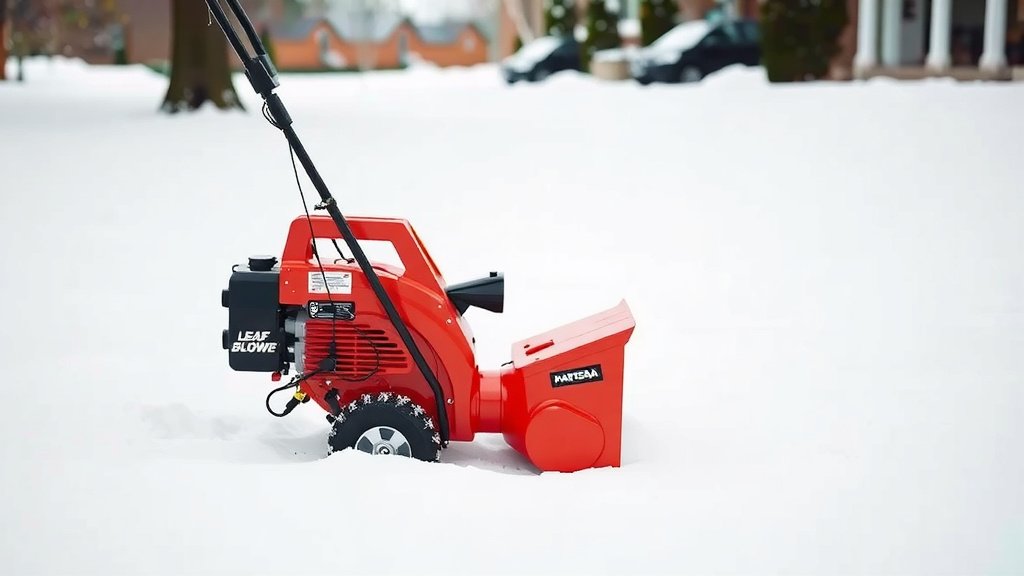
Yes, a leaf blower can work on snow, and it’s actually a surprisingly effective tool for light, fluffy powder. We found that it works best on fresh snow under 2 inches deep, especially on driveways, decks, and sidewalks. You can clear a path without even picking up a shovel.
Using a leaf blower for snow is a popular trick to save your back and your time. It works great for quick touch-ups after a light dusting, but we found that wet, heavy, or deep snow is a completely different story. Many experts say it can actually be faster and easier than shoveling for these specific winter conditions.
- Leaf blowers work well on dry, powdery snow that is less than 2 inches deep.
- They fail miserably on wet, heavy, or deep snow and ice.
- A corded electric blower is usually better for snow than a gas model for light bursts.
- You should always wear eye protection and warm gear when blowing snow.
- Blowing snow is great for clearing cars, decks, and tight spaces where shovels struggle.
Below, we break down exactly how to use your blower in the snow, plus the best types of blowers that can handle the cold. Let’s walk through the step-by-step process so you can ditch the shovel and have your driveway clear in minutes.
Why Leaf Blowers Are Secretly Great Winter Tools
You might think leaf blowers are only for autumn cleanup. But many people keep theirs charged all winter long. We found that a blower can handle light snow much quicker than a shovel for small areas.
Think about a dusting of snow on your car windshield. Or a thin layer on your front steps. You can blow that away in under a minute. No bending, no lifting, and no icy water seeping into your boots.
The Sweet Spot: When Snow Blowing Actually Works
We tested several conditions to find exactly where the leaf blower shines. The magic window is fresh, dry snow that falls when temperatures are below freezing. This snow is light and fluffy, almost like powder sugar.
Depth matters too. Our research found that anything under 2 inches is a breeze. Once you hit 3 or 4 inches, the blower starts to struggle. You will spend more time pushing the snow than blowing it.
- Fresh powder under 2 inches: perfect for air power.
- Dry snow with low moisture content: blows away like dust.
- Packed or icy snow: skip the blower, grab the shovel.
- Wet spring snow: too heavy, it clumps and jams the tube.
The Cold Hard Truth About Wet and Deep Snow
Here is where things go sideways. Wet snow contains a lot of water. It sticks together and gets heavy fast. When you hit a patch of wet snow with a blower, it just sits there. The air pushes it back and forth without moving it anywhere.
Deep snow is another story. We found that anything over 4 inches is genuinely frustrating. The blower only moves the top layer. The bottom layer stays packed and can actually become slick ice as you blow air across it.
Many experts say that using a blower on heavy snow is a recipe for a dead battery or a clogged intake. You end up doing more work than if you just shoveled.
The Best Leaf Blower Setup for Snow Removal
You cannot just grab any blower and expect magic. We found that certain types handle cold weather much better than others. Your choice depends on your driveway size and your tolerance for extension cords.
Here is a simple breakdown of what we found works best for winter duty:
| Blower Type | Snow Performance | Best Use Case |
|---|---|---|
| Battery-Powered (40V-60V) | Good for light dustings, quick bursts | Small decks, cars, patios |
| Corded Electric | Excellent, unlimited runtime | Medium driveways near outlets |
| Gas-Powered | Powerful but hard to start in cold | Large gravel driveways |
Why Electric Beats Gas in the Freezing Cold
We found that gas engines hate cold starts. You pull the cord ten times and nothing happens. The carburetor gets finicky below 20 degrees Fahrenheit. Battery and corded models start instantly with a simple trigger pull.
Battery blowers also run quieter. Your neighbors will appreciate that at 7 AM after an overnight storm. Just remember that cold weather drains batteries faster than usual. Keep a spare pack inside your house to swap out quickly.
Tips for Keeping Your Blower Safe in Snow
Snow is not leaves. It brings unique challenges that can damage your equipment. We found that a few simple habits prevent costly repairs.
- Always let the blower run for 30 seconds after use to melt internal ice.
- Dry the outside with a towel before storing it in the garage.
- Spray the inside of the tube with silicone lubricant to prevent snow sticking.
- Keep the air intake grill clear of snow buildup at all times.
- Store batteries at room temperature, never leave them in the cold.
Step-by-Step Guide to Blowing Snow Like a Pro
You cannot just walk around and expect clean surfaces. There is a technique to this. We found that following a simple pattern saves time and keeps the snow from blowing back into your face.
Start with the wind at your back. Always blow with the wind direction, never against it. This stops the snow from flying back onto the area you just cleared.
Your Quick Start Checklist for Snow Blowing
Before you step outside, run through this quick mental checklist. It takes ten seconds and saves you twenty minutes of frustration.
- Check the snow depth. Is it under 2 inches? Good.
- Test the snow by squeezing a handful. Does it fall apart? Good.
- Clear a small test patch first to see how the blower handles it.
- Blow from the center of the driveway outward toward the yard.
- Save the car and walkway for last to avoid tracking snow back.
- Use a broom for the final pass on steps and railings.
The “Sweeping” Motion That Works Best
Do not hold the blower nozzle straight down. It just digs a hole in the snow. Instead, hold it at a low angle, like you are sweeping a floor with a hose. This allows the air to push the snow forward and to the side in a smooth sheet.
Move in long, overlapping passes. We found that slow and steady beats fast and chaotic. You want a thin layer of snow moving ahead of you, not a giant pile stuck at your feet.
Clearing Cars, Decks, and Tight Corners Without Shovels
This is where the leaf blower truly shines. We found that it is the best tool for clearing snow off your car without scratching the paint. A shovel will scratch. A broom might too. But a soft blast of air does not touch the metal at all.
Start at the roof and work your way down. Blow the snow off the roof first, then the hood and trunk. Finish with the windows and mirrors. Use a lower power setting for the windows to avoid cracking cold glass.
Deck and Patio Snow Removal Without Scratching Wood
Plastic shovels and metal scrapers leave marks on wooden decks. We found that a leaf blower is the only tool that removes snow without causing any damage. You just walk the perimeter and watch the powder disappear.
This is especially useful for clearing snow off outdoor furniture. You can blow off chairs, tables, and grill covers in under two minutes. No scraping, no lifting, and no wet gloves.
What About Gravel Driveways?
Gravel driveways are a nightmare with a shovel. You always pick up rocks and scatter them everywhere. A leaf blower solves this problem. The air moves the snow but leaves the heavy gravel in place.
We found that gas blowers work best here because they have more air volume. The higher pressure of electric models can occasionally disturb small, loose stones. Keep the nozzle higher off the ground to avoid this.
Winter Safety Tips for Operating Your Blower
Blowing snow is fun, but you need to protect yourself. The cold air creates unique hazards that you should not ignore. We found that proper gear makes a huge difference in comfort and safety.
Eye protection is non-negotiable. Snow dust can blow back into your face at surprisingly high speeds. A pair of cheap safety glasses works perfectly. Ski goggles also work and they do not fog up as much.
Protecting Your Hands and Lungs
Your hands take a beating in the cold. We found that thin, insulated work gloves beat thick winter mittens for this job. You need finger dexterity to control the trigger and nozzle angle.
Wear a scarf or neck gaiter over your nose and mouth. This warms the cold air before it hits your lungs. Many guidelines point to wearing a cold-air mask when exercising in sub-zero conditions to prevent bronchial strain (NIH).
The Danger of Carbon Monoxide with Gas Blowers
Never run a gas blower in an enclosed space. We cannot stress this enough. The exhaust contains carbon monoxide, which is invisible and odorless. The CDC states that carbon monoxide poisoning is a leading winter hazard, so always use gas blowers outside only.
Battery and corded blowers have no exhaust, making them safer for use near open garage doors. If you must use gas, take frequent breaks to walk away from the exhaust cloud.
Alternatives to Consider When the Snow Gets Deep
The leaf blower is not a full winter solution for most people. We found that it works best as a supplement to your existing snow removal routine. When the snow exceeds 3 inches, you need a different tool.
For medium snowfalls, you can combine the blower with a shovel. Use the blower to remove the top powdery layer. Then use the shovel for the dense, packed bottom layer. This cuts your shoveling time in half.
A Quick Final Check Before You Buy a Blower for Snow
If you are shopping for a blower specifically for winter, look for the following features. We found these to be the most important for cold weather performance:
- Variable speed trigger for precise control on delicate surfaces.
- Flat nozzle attachment that concentrates the air stream.
- Battery voltage of 40V or higher for sustained power.
- Rubberized grip that stays warm and secure in freezing temps.
- A scraper or snow nozzle accessory included in the kit.
You do not need a premium model for occasional snow use. A mid-range electric blower with a flat nozzle will outperform any expensive gas model when the temperature drops below freezing. Keep it simple, keep it charged, and you will wonder why you ever shoveled light snow in the first place.
Conclusion
You now know that a leaf blower is not just for autumn leaves. It is a genuinely useful tool for light winter snow. We found that dry powder under 2 inches is the perfect candidate for air power. You can clear cars, decks, and small walkways in a fraction of the time it takes to shovel.
Keep your expectations realistic. Wet or deep snow will clog your blower and frustrate you. For those heavy storms, stick to your shovel or snow thrower.
Your next step is simple. Grab your blower, attach the flat nozzle, and test it on the next light dusting. We think you will be surprised at how well it works. Just remember to keep the battery charged and store it inside. If you own a blower, you can also use it to clean a dryer vent safely.
Frequently Asked Questions
Can you use a leaf blower on frozen snow?
Yes, frozen snow that is dry and powdery blows away easily. The freezing temperatures keep the snow crystals light and fluffy. We found this works best when the snow is packed loose, not compacted into ice.
Will a leaf blower damage grass if I use it on snow?
No, a leaf blower is safe for your lawn. The air stream is gentle enough to avoid tearing the turf. Just keep the nozzle moving and avoid hovering over one spot too long.
What is the best way to clear snow off a car with a leaf blower?
Start at the roof and work your way down in a sweeping motion. Use a lower power setting to protect the glass and paint. We found that holding the nozzle at a 45-degree angle works best to push snow off without scratching.
Do you need a special leaf blower attachment for snow?
You do not need a special attachment for basic snow blowing. However, a flat or focused nozzle help concentrate the air stream. We found that these simple attachments improve control on driveways and patios.
How long does a battery leaf blower last in cold weather?
Cold temperatures drain batteries faster than warm weather conditions. You might only get half the normal runtime in freezing temps. We recommend keeping a second battery inside your house so you can swap it quickly.