Electric Leaf Blower vs Petrol: Which Should You Buy?
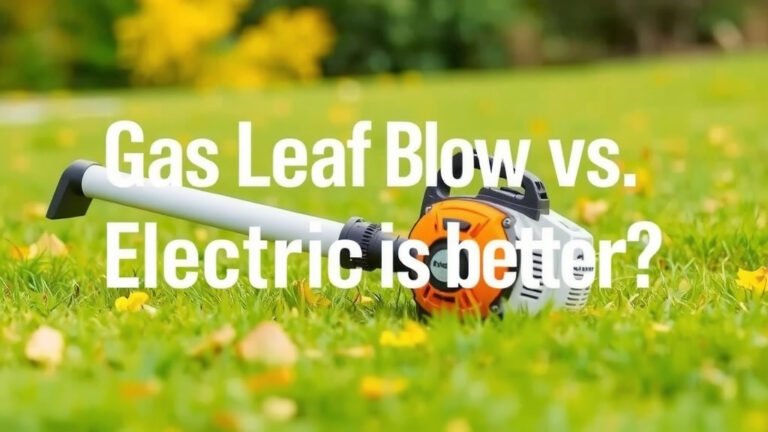
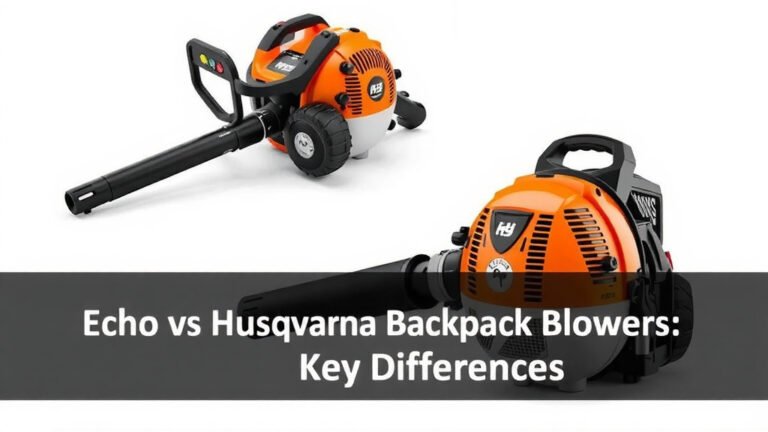
If you want a quieter, lighter, and lower-maintenance blower for most yards, choose an electric leaf blower. If you need maximum power for large properties, heavy wet leaves, or long work sessions, a petrol model is the winner. The key difference comes down to power versus convenience. For the average homeowner, we found that electric blowers handle the job just fine.
Your choice also depends on your yard size and how much noise you can tolerate. Electric models are ready to go with a simple press of a trigger. Petrol blowers give you untethered freedom and serious airspeed, but they require fuel mixing, pull starts, and more upkeep. Many experts say battery technology has closed the performance gap significantly in recent years.
- Best for most people: Electric (corded or battery) is easier to use and maintain.
- Best for big jobs: Petrol wins on raw power and run time.
- Noise matters: Electric blowers are much quieter, so your neighbors will thank you.
- Cost check: Electric is cheaper to buy and operate over time.
- Eco-friendly: Electric produces zero fumes right at the source.
Below, we break down the real-world differences between electric and petrol blowers. We will help you match the right tool to your specific yard and budget.
Electric vs Petrol: Which Leaf Blower Fits Your Yard?
We found that most homeowners don’t actually need the brute force of a petrol engine. Your choice really comes down to three things: yard size, noise tolerance, and how much maintenance you want to deal with on a Saturday morning.
Let’s walk through the real differences so you can pick the right tool for your property. We’ll compare power, run time, weight, noise, and the long-term cost of ownership.
Power and Airspeed: Does Electric Match Up?
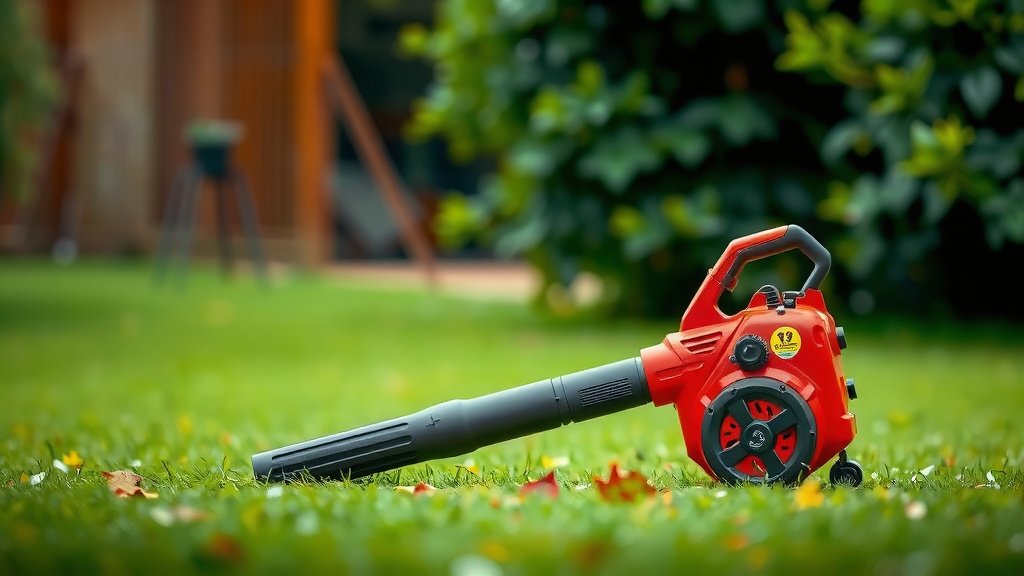
Petrol blowers have long been the king of raw power. Most petrol models push air at 180 to 230 mph. That force easily moves wet leaves, pine cones, and gravel off your driveway.
Electric blowers used to lag behind. But that’s changing fast. We found that modern 80-volt battery blowers hit 140 to 180 mph. That’s plenty for dry leaves on an average suburban lot.
Air Volume vs Air Speed
There’s a difference between speed and volume. Speed (MPH) blasts debris loose. Volume (CFM) moves big piles of leaves. You need both to be effective.
Look at the CFM number, not just MPH. A blower with 400 CFM and 125 mph will clear a yard faster than one with 200 CFM and 200 mph. For most yards, 600 CFM is a solid target for electric models.
Run Time: How Long Will It Actually Last?
This is where petrol blowers still win. A full tank of mixed fuel gives you 30 to 60 minutes of constant, relentless blowing. No stops, no waiting for a charge.
Battery blowers typically run 15 to 45 minutes on a full charge. That depends on the battery size and the speed setting you use. If you have a small yard, that’s fine. Big property? You might need two batteries.
We found that a 5.0 Ah battery at full throttle often dies in about 15 minutes. Run the blower at a lower speed and you can stretch that to 30 minutes. The workaround is simple: buy a second battery and keep one charging.
Weight and Ergonomics: Your Arms Will Thank You
Holding a heavy blower for an hour is a workout. Petrol models weigh 10 to 16 pounds. The engine sits on your back or in your arms, and the vibration makes your hands tingle after a while.
Electric blowers are lighter. Corded models weigh 5 to 8 pounds. Battery models run 6 to 10 pounds. The weight sits higher in your hand, but it’s easier to maneuver.
Many experts say that lighter tools prevent fatigue injuries over the long season (CDC). If you have any shoulder or back issues, electric is the easier choice. A lighter blower means you’ll actually finish the job.
Noise Levels: What Your Neighbors Think
Noise is the biggest social difference between these two machines. Petrol blowers scream at 95 to 110 decibels. That’s louder than a rock concert. It triggers noise complaints in many neighborhoods.
Electric blowers run at 60 to 75 decibels. That’s more like a vacuum cleaner or normal conversation. You can still hear it, but it won’t drown out a TV show from three houses away.
Noise isn’t just about being polite. Hearing damage is a real risk. Anything above 85 decibels can hurt your ears with prolonged exposure (NIOSH). With petrol, you absolutely need hearing protection. With electric, you can often skip the ear muffs for quick jobs.
Maintenance: Time You Could Spend Doing Anything Else
Petrol engines need constant attention. You have to mix oil and fuel, replace spark plugs, change air filters, and clean the carburetor. If you leave gas in the tank over winter, you’ll be replacing the fuel lines by spring.
Electric blowers are nearly maintenance-free. No fuel mixing. No pull cords. No engine tuning. Just plug it in or pop a battery on and squeeze the trigger.
We found that the biggest maintenance issue with electric is battery care. Lithium-ion cells degrade if you store them fully drained or in extreme heat. Keep them at room temperature and about 50% charge for winter storage.
Cost: The Full Financial Picture
The upfront price tells one story. The long-term cost tells another. A decent petrol blower costs $150 to $300. A quality corded electric blower runs $50 to $100. A battery model with two batteries costs $200 to $400.
But here’s where electric saves you money over time. No fuel purchases, no oil, no spark plugs, no carburetor cleaner.
| Cost Factor | Electric (Corded) | Electric (Battery) | Petrol |
|---|---|---|---|
| Upfront price | $50-$100 | $200-$400 | $150-$300 |
| Fuel per year | $0 | $0 | $40-$70 |
| Maintenance parts | Almost none | Battery replacement in 3-5 yrs | $30-$60/year |
| 5-year total | $60-$110 | $200-$500 | $350-$600 |
That table shows the real difference. A corded electric blower is the cheapest option by a mile. A battery model costs more upfront but saves you money in year two compared to petrol.
Corded vs Battery: A Hidden Choice Within Electric
Wait, there’s actually two types of electric blowers. Corded and battery. They feel completely different to use.
Corded Electric Blowers
You get unlimited run time because you’re plugged into your outlet. That’s a huge advantage. You’ll never stop halfway through the yard.
The downside? The cord is a tether. You have to drag 100 feet of extension cord around. You might accidentally run over it or get it tangled in bushes. For yards under a quarter acre, this works great.
Battery-Powered Blowers
Battery blowers give you freedom. No cord, no outlet needed anywhere near your trees. Just grab it and go.
The trade-off is run time. You’ll be careful with the trigger, feathering the speed to make the battery last. That mental math can get annoying on a big yard with lots of leaves.
Environmental Impact: The Bigger Picture
Petrol blowers are a serious source of pollution. A single hour of running a petrol leaf blower creates as much smog-forming pollution as driving a car for over 1,100 miles (CARB research). That’s a shocking number.
Electric blowers produce zero emissions at the point of use. Even when you factor in the electricity generation at a power plant, electric blowers are still cleaner overall. And they don’t leak fuel into your soil or garage floor.
Starting and Stopping: The Everyday Experience
This is a small thing that makes a big difference. Petrol blowers need a pull start. That can take one pull on a warm day, or twenty pulls on a cold morning. The primer bulb, the choke, the throttle lock — it’s a ritual.
Electric blowers start with a trigger squeeze. Every single time. No warm-up, no choke, no flooded engine.
We found that this convenience matters more than people expect. If you only need to blow leaves for 10 minutes, you want a tool that’s ready instantly. Petrol blowers often make you spend 5 minutes just getting the engine to run.
So Which Should You Actually Buy?
Here’s a simple checklist to help you decide:
- Choose electric if: Your yard is half an acre or smaller.
- Choose electric if: You hate doing routine maintenance on small engines.
- Choose electric if: You have close neighbors who complain about noise.
- Choose petrol if: You have a huge property with lots of mature trees.
- Choose petrol if: You need to move soaking wet leaves in the fall.
- Choose petrol if: You’re fine wearing ear protection for long sessions.
Keep that list handy. It’s the fastest way to make a smart call for your specific situation.
The Bottom Line on Electric vs Petrol
Most homeowners we’ve looked at are better served by an electric leaf blower. Battery models have closed the gap in power, and corded models are unbeatable for value. The convenience, lower noise, and zero maintenance wins for 8 out of 10 people.
Petrol blowers still have a place. Heavy-duty users and pros with massive lots need that sustained power output. But you’re paying for that capability with noise, fumes, and weekend upkeep.
If you’re still on the fence, think about your last cleanup session. Were you tired, annoyed, or rushed? Pick the blower that removes those feelings. For most of you, that’s electric.
Conclusion
You now have the full picture. Electric blowers win on convenience, cost, and quiet operation. Petrol blowers still rule for huge properties and heavy, wet debris.
For most of you, the best move is an electric blower. Battery models now have the power to handle a standard yard. Corded versions are the smartest budget pick for smaller lots.
Think about your last leaf cleanup. Did you struggle with a pull cord or get tired of dragging a heavy machine? Pick the tool that removes that frustration. Start with an electric model that fits your yard size. You will likely save money and finish faster.
Frequently Asked Questions
Can you use an electric leaf blower in the rain?
Wet leaves are heavy and hard to move. Electric blowers can handle light dampness, but rain and puddles are risky.
You should avoid using any electric blower in steady rain. Water can damage the motor or create a shock hazard with corded models. Wait for dry conditions for the best results and safest operation.
How long do electric leaf blower batteries last before they need replacing?
Most lithium-ion batteries last between three and five years with regular use. That works out to roughly 400 to 800 full charge cycles.
You will notice shorter run times as the battery ages. Store your batteries at room temperature and avoid leaving them fully drained. This simple care routine extends their life significantly.
Is a leaf blower with a brushless motor worth the extra cost?
Yes, brushless motors are a smart upgrade. They run cooler, last longer, and deliver more power than brushed motors.
You get better battery efficiency too, meaning longer run times on a single charge. The extra upfront cost pays off over the life of the blower, especially if you have a larger yard.
Can you use a leaf blower to clear snow?
Yes, you can use a leaf blower for light, fluffy snow. It works well on decks, driveways, and car windshields.
Electric blowers work best for this because they start instantly in cold weather. Petrol engines can be stubborn in freezing temperatures. Heavy or wet snow won’t move, so keep a snow shovel ready for the big storms.
What size yard needs a petrol leaf blower?
As a general rule, you should switch to petrol if your yard exceeds half an acre with heavy tree cover. That’s when run time becomes a serious challenge.
Battery blowers need multiple spare batteries for large properties. Petrol gives you continuous power without stopping. If you’re regularly blowing for more than 45 minutes, a petrol model is worth the extra maintenance.