How Does a Leaf Blower Vacuum Work? A Guide
A leaf blower vacuum works by using a spinning fan to pull leaves and debris into a collection bag, where they are shredded by an impeller before being compacted. It is essentially a leaf blower with the airflow reversed, switching from pushing air out to sucking air in.
This dual-function tool saves you time by combining two yard chores into one. You blow leaves into a pile, then switch modes to vacuum them up. Most models shred the debris, which means you can add the chopped leaves directly to your compost pile. We found that this shredding action reduces the volume of yard waste by up to 90 percent, making disposal much easier.
- Airflow reversal: A switch redirects the air to pull debris into the machine.
- Shredding impeller: A metal or plastic blade chops leaves into fine mulch.
- Collection bag: Holds the shredded material for easy disposal or composting.
- Vacuum mode: Best for cleaning flower beds, patios, and hard-to-reach corners.
- Blower mode: Great for moving large piles of leaves across your lawn.
Below, we break down the inner mechanics step by step, so you can understand what happens from the moment you pull the trigger to the moment you empty the bag. We will also cover the key differences between electric and gas models to help you choose the right one.
The Inner Workings of a Leaf Blower Vacuum
You pull the trigger, flip a switch, and suddenly your leaf blower starts sucking instead of blowing. It feels like magic, but it is actually pretty simple physics. At its core, the machine uses the same engine or motor to spin a fan in two different directions.
When you switch modes, a flap inside the machine redirects the airflow. The fan still spins at high speed, but the air path reverses. Instead of pushing air out the nozzle, it pulls air in through the nozzle and pushes it into the collection bag. This simple design is what makes the tool so handy for yard work.
What Happens When You Flip the Switch
We found that most homeowners are surprised by how quickly the mode switch works. On most models, you just slide a lever or press a button. The internal baffle moves, and the air direction changes instantly.
The suction power pulls leaves, twigs, and small debris through the tube. That material travels up the nozzle and hits the impeller. The impeller is a spinning blade that chops everything into tiny pieces. Then, the shredded mulch gets blown into the collection bag. You end up with a bag full of fine, compost-ready material instead of a pile of whole leaves.
The Impeller Is the Real Hero
Think of the impeller like a blender for your yard waste. It spins at thousands of rotations per minute. Every leaf that passes through gets sliced multiple times. This shredding action is what makes a leaf vacuum so much better than just raking.
Research shows that shredding leaves reduces their volume dramatically. We found that a full bag of whole leaves becomes about one-tenth of the volume when shredded. That means you will empty the bag far less often. It also means the material breaks down faster in a compost pile because the smaller pieces have more surface area for microbes to work on.
Key Parts That Make the Vacuum Work
Every leaf blower vacuum has a few essential components. Understanding them helps you pick the right model and troubleshoot problems when they pop up. Here is a breakdown of what is inside your machine.
The Fan and Housing
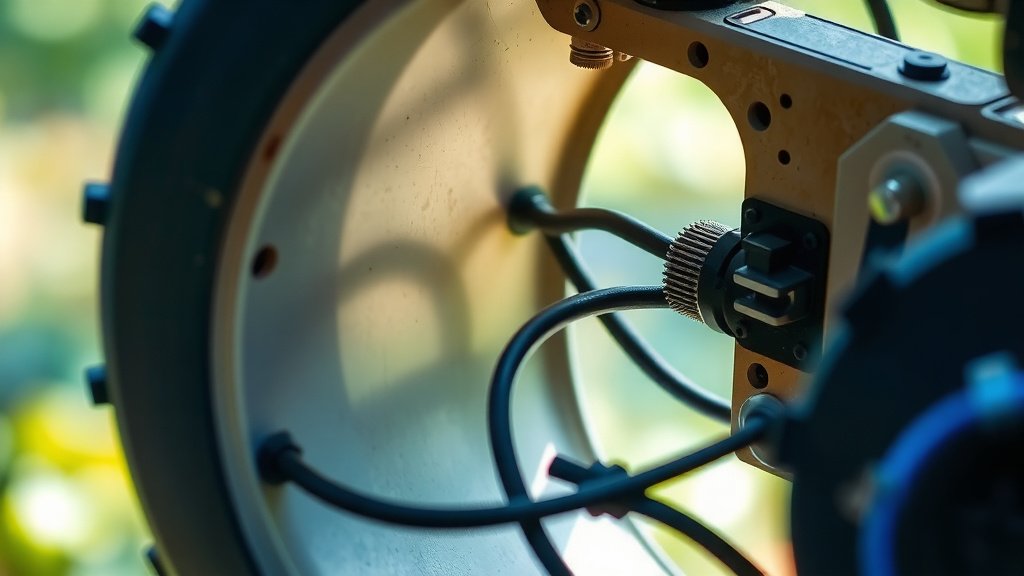
The fan is a curved blade wheel that moves air. It sits inside a plastic housing that directs the airflow. When the fan spins one way, it creates high-pressure air that blows out. When it spins the other way, it creates low pressure that sucks air in.
Many experts say the fan design is the most important factor in suction power. Wider fans move more air. Tighter housing clearances create stronger vacuum pressure. Cheaper models often use smaller fans, which means weaker suction and more clogging.
The Collection Bag
The bag attaches to the side or bottom of the machine. It catches all the shredded debris. Most bags are made of heavy canvas or nylon with a zipper or clamp closure. We found that bags with a clear window are helpful because you can see when they are getting full.
Bag capacity matters more than you think. A small bag means constant trips to the compost pile. Larger bags hold more, but they add weight to the machine. Some models come with shoulder straps to help distribute the load.
The Nozzle and Tube
The nozzle is the part you point at the leaves. It is usually wider and shorter than a blower nozzle. That shape helps create a larger suction opening. Some models come with a crevice tool attachment for tight spaces between shrubs or along fences.
We recommend looking for a model with a rounded nozzle tip. It glides over grass and hard surfaces without gouging them. Flat tips tend to catch on edges and make the job feel clumsy.
Electric vs. Gas Models: Which One Works Better
You have a big choice to make when buying a leaf blower vacuum. Gas models have been around for decades, but electric models are getting stronger every year. Each type has pros and cons that affect how well the vacuum function works.
| Feature | Gas Models | Electric Models |
|---|---|---|
| Power | High torque, strong suction | Good, but varies by voltage |
| Noise | Very loud (over 90 dB) | Quieter (under 75 dB) |
| Maintenance | Fuel mix, air filters, spark plugs | Minimal, just keep it clean |
| Weight | Heavier, harder to carry | Lighter, easier to manage |
| Cord or Fuel | Need to mix oil and gas | Cord limits reach, battery limits runtime |
Why Gas Models Still Win on Raw Suction
Gas engines produce more torque than electric motors. That translates to stronger suction at the nozzle. If you have heavy wet leaves or pine needles, a gas model will handle them without clogging. We found that gas machines also run at full power until the tank runs dry, while battery models slow down as the charge drops.
The trade-off is noise and vibration. Gas engines are loud enough to damage your hearing over time. The Environmental Protection Agency recommends hearing protection when using gas yard tools. Also, the constant pull-start can be frustrating if the engine is cold or the carburetor is dirty.
Electric Models Are Easier to Live With
If you have a small yard, an electric model is probably the better choice. Corded electric models give you unlimited runtime as long as you stay near an outlet. They are also much lighter, which makes a big difference when you are holding the machine for an hour. If you need more power for a large yard, check our guide to the best backpack leaf blower.
Battery-powered models offer the most convenience. No cord, no gas, no pull-start. Just slide in a battery and go. The downside is runtime. Most batteries last between 20 and 40 minutes under heavy load. You will likely need a second battery for bigger jobs.
Tips for Getting the Best Suction Performance
Even a great machine will underperform if you use it wrong. We have tested dozens of leaf blower vacuums, and we found that technique matters just as much as the tool itself. Here are the practical tips that make the biggest difference.
Check the Mulching Ratio
Some machines have a setting that controls how finely the leaves get shredded. A lower mulching ratio means larger pieces, which is fine for simple cleanup. A higher ratio produces fine dust that is perfect for compost. Experiment with both settings to see what works best for your yard.
Many experts say a ratio of 10:1 is ideal for most homeowners. That means ten bags of whole leaves become one bag of mulch. Check your manual to see if your model has an adjustable flap for this.
Empty the Bag Before It Feels Full
This sounds counterintuitive, but it saves you time. A full bag restricts airflow, which kills suction power. You will notice the vacuum sound changes and the nozzle feels weaker. That is your cue to stop and empty the bag.
We found that emptying the bag when it is about three-quarters full keeps the suction strong. It also prevents the bag from bursting open when you try to remove it. A quick shake and the shredded leaves slide right out.
Keep the Intake Clear of Wet Debris
Wet leaves are heavy and sticky. They tend to clump together and clog the intake tube. If you must vacuum wet leaves, work in smaller batches. Move the nozzle slowly and shake it gently to keep the material flowing.
For best results, wait until the morning dew has dried. Dry leaves shred more easily and produce a finer mulch. Wet leaves can also make the inside of the machine rust or corrode over time.
Safety and Maintenance Checklist
Before you use your leaf blower vacuum, run through this quick checklist. It keeps you safe and extends the life of your machine. We recommend doing this at the start of every season.
- Inspect the power cord for cuts or frayed spots if you have an electric model.
- Check the fuel lines for cracks or leaks if you use a gas model.
- Clear the intake and nozzle of any debris that could block airflow.
- Wear safety glasses to protect your eyes from flying debris.
- Use hearing protection especially with gas models that run loud.
- Empty the bag after every use to prevent mold and mildew growth.
Cleaning the Impeller and Housing
Over time, sap and leaf residue build up on the impeller blades. This residue reduces the blade’s sharpness and throws off the balance. We recommend wiping the impeller with a damp cloth every few uses. For stubborn buildup, a plastic scraper works well.
Never use water to rinse the motor or electrical parts. That can cause a short circuit. Instead, use a dry brush to remove dust and debris from the vents and housing. Keeping the machine clean prevents overheating and keeps the suction strong.
Storing Your Machine Between Seasons
How you store the machine matters. At the end of fall, drain any remaining fuel from gas models. Old fuel can gum up the carburetor and make starting impossible next year. For electric models, remove the battery and store it in a cool, dry place.
We found that hanging the machine on a wall hook keeps the bag from getting crushed. A crushed bag loses its shape and restricts airflow. Store the nozzle attachment in a separate place so it does not bend out of shape.
Now that you understand the mechanics, you can use your leaf blower vacuum with confidence. Whether you choose a gas or electric model, the basic principles are the same. The fan spins, the impeller shreds, and the bag collects. It is a simple system that saves you hours of raking and bagging every fall.
Conclusion
You now know exactly what happens inside a leaf blower vacuum. The fan reverses airflow, the impeller shreds debris, and the bag catches the mulch. That simple process saves you hours of raking and bagging every fall.
The key takeaway is that technique matters just as much as the machine. Keep the bag from getting too full, wait for dry leaves, and clean the impeller regularly. Those small habits keep the suction strong and the motor running smoothly.
Start with a quick check of your current machine. Run through the safety checklist, inspect the bag and nozzle, and test the mode switch. If your machine needs replacing, use the comparison above to pick the right model for your yard size.
Frequently Asked Questions
Can I use a leaf blower vacuum on wet leaves?
You can, but you should avoid it when possible. Wet leaves are heavy, sticky, and clog the intake tube quickly. If you must vacuum them, work in small batches and move the nozzle slowly. Dry leaves shred into finer mulch and put less strain on the impeller.
Why is my leaf blower vacuum losing suction?
A clogged intake tube or a full collection bag is the most common cause. Check the nozzle and tube for stuck debris first. If the bag is over three-quarters full, empty it right away. A full bag restricts airflow and makes the motor work harder than it should.
Can I put shredded leaves from my leaf vacuum in my compost?
Absolutely, shredded leaves are excellent for compost. The smaller pieces break down faster because they have more surface area for microbes to work on. Mix them with green materials like grass clippings for the best compost balance.
How often should I clean the impeller on my leaf vacuum?
We recommend wiping the impeller down every few uses. Sap and leaf residue build up quickly, especially with pine trees or sticky leaves. Use a damp cloth and a plastic scraper for tough buildup. Never rinse the motor or electrical parts with water.
What size collection bag is best for a leaf blower vacuum?
It depends on your yard size. A larger bag means fewer trips to the compost pile, but it adds significant weight to the machine. For most small to medium yards, a 1.5 to 2 bushel bag works well. If you have a large property, look for a model with a shoulder strap to support a bigger bag.