How Does a Leaf Blower Work? A Simple Guide
A leaf blower works by using a high-speed fan to create a powerful stream of air that pushes leaves and debris across your yard. The engine spins the fan at thousands of RPMs, pulling air in from the side and forcing it out through a narrow tube to concentrate the airflow. This simple but effective design turns a small engine into a portable wind machine that saves you hours of raking.
We found that most homeowners don’t realize just how straightforward the mechanics really are. Whether you’re using a gas-powered model, a corded electric unit, or a battery-powered blower, the core principle stays the same: suck air in, spin it fast, and shoot it out. Understanding the basic parts and the airflow process helps you pick the right blower and use it more efficiently without wasting time or fuel.
- Core mechanism: A fan or impeller spins rapidly to generate a concentrated stream of air.
- Power sources: Gas engines, corded electric motors, and battery-powered motors all drive the fan differently.
- Airflow path: Air enters through side vents, accelerates inside the fan housing, and exits through a narrow nozzle.
- Nozzle design: The tube shape compresses the air, increasing its speed for better lifting power.
- Practical tip: Using a leaf blower at an angle works better than blasting straight down at the ground.
Below, we walk you through the inner workings step by step, plus the practical differences between gas and electric models so you can make a smart choice for your yard.
The Basics of Leaf Blower Operation
Think of a leaf blower as a handheld wind tunnel. It takes ordinary air from around you and turns it into a focused blast that can move wet leaves, pine needles, and even small twigs. We found that most people picture a complicated machine, but the real magic is just a spinning fan inside a plastic shell.
You press the trigger, the engine spins up, and air starts moving fast. That fast-moving air is what does all the heavy lifting. The machine itself never touches a single leaf. It just moves the air that moves the leaves.
The Fan and Impeller System
The heart of every leaf blower is the fan, often called an impeller. This part looks like a small turbine with curved blades. When it spins, it throws air outward with serious force. We found that the shape of these blades matters a lot — curved blades move more air than flat ones.
The impeller sits inside a round housing called a volute. This housing is specially shaped to capture the spinning air and guide it toward the outlet tube. Without this housing, the air would just spin in circles and go nowhere useful.
Why the Housing Shape Matters
The volute gets wider as it wraps around the fan. This widening shape helps build up air pressure. More pressure means a stronger stream when the air finally exits. It’s like putting your thumb over a garden hose — the same amount of water, but a much harder spray.
Step-by-Step: The Airflow Process Explained
Air moves through a leaf blower in a predictable path. Understanding this path helps you see why certain models perform better than others. We broke it down into four simple stages so you can picture exactly what happens when you pull that trigger.
- Air intake: The spinning fan creates a low-pressure zone. This pulls surrounding air into the side vents or the back of the housing.
- Acceleration: The air gets caught by the fan blades and is thrown outward at high speed. The curved blade shape adds velocity to the air.
- Compression: The volute housing squeezes the moving air, raising its pressure and speed even more.
- Discharge: The pressurized air shoots out through the nozzle tube. The narrow opening boosts airspeed to maximum velocity.
We found that the nozzle is where the real “push” happens. A narrower nozzle means faster air, but you lose some total volume. A wider nozzle moves more air, but at a lower speed. That’s why many blowers come with multiple nozzle attachments.
How Air Speed vs. Air Volume Work Together
Manufacturers list two numbers on the box: airspeed (mph) and air volume (CFM, or cubic feet per minute). These two numbers tell a story. Airspeed is how fast the air is moving. Air volume is how much air is moving.
You need both for good leaf clearing. High speed alone can scatter leaves but struggles to move deep piles. High volume alone can push piles but lacks the punch to lift wet leaves. We found that the best all-around blowers balance both numbers.
- High airspeed (mph): Great for wet, stuck leaves and debris in cracks.
- High air volume (CFM): Better for big open lawns and large leaf piles.
- Balanced specs: Best for typical suburban yards with mixed conditions.
Many experts say to look for at least 400 CFM and 150 mph for general yard work. That combination handles most jobs without leaving you frustrated.
Power Sources: How Each Type Drives the Fan
Not all leaf blowers are built the same under the hood. The power source changes everything — weight, noise, maintenance, and even the way the air feels when it comes out. We compared the three main types so you can decide which fits your routine.
Gas-Powered Leaf Blowers
Gas blowers use a small internal combustion engine, usually a two-stroke or four-stroke motor. The engine cranks a shaft that spins the impeller directly. This setup delivers the highest power and the most consistent airflow. You can run them for hours without stopping to recharge.
That power comes with trade-offs. Gas blowers are loud — often over 90 decibels, which can damage hearing with prolonged exposure (CDC). They also require fuel mixing (for two-stroke models), air filter cleaning, and spark plug checks. Many experts recommend wearing ear protection and a mask when using them.
Two-Stroke vs. Four-Stroke Engines
Two-stroke engines are lighter and simpler. They need oil mixed into the gasoline. Four-stroke engines have a separate oil reservoir and run cleaner, but they weigh more. We found that homeowners with small yards often prefer two-stroke for the weight savings, while pros lean toward four-stroke for lower emissions.
Corded Electric Leaf Blowers
Corded models use a standard electric motor, the same kind you’d find in a vacuum cleaner. Plug it in, pull the trigger, and the motor spins the fan. No fuel, no fumes, no pull cords. Just instant power every time.
The catch is the cord itself. You’re tethered to an outlet, which means extension cords and careful maneuvering around trees and flower beds. We found that corded blowers work best on smaller properties under a quarter acre. They’re also the cheapest option upfront and the lightest to hold.
Battery-Powered Leaf Blowers
Battery blowers run on rechargeable lithium-ion packs, similar to modern drill batteries. The motor is electric, just like corded models, but there’s no wire to drag around. You get freedom of movement without the noise and fumes of gas.
Battery technology has improved a lot in recent years. Many current models match gas blowers in airspeed, though runtime is still limited. We found that most batteries last 20 to 40 minutes at full power. If you have a large yard, you’ll need spare batteries or a fast charger.
Practical Tips to Get the Most From Your Leaf Blower
Knowing how a leaf blower works is one thing. Using it well is another. We’ve gathered some field-tested techniques that make the job faster and easier, no matter which type you own.
Angle the Nozzle Correctly
Don’t blast straight down at the ground. That just pushes leaves into the grass or scatters them sideways. Instead, angle the nozzle slightly upward, about 15 to 20 degrees. This creates a cushion of air that lifts leaves and slides them forward in a wave.
We found that this simple angle change makes a huge difference on wet grass. The air gets under the leaves instead of pressing them down. It’s a small tweak that saves serious time.
Work With the Wind, Not Against It
Before you start, check which way the breeze is blowing. Push your leaf piles in the same direction as the wind. The air from your blower and the natural wind combine forces, moving debris faster. Fighting the wind just wastes battery and gas.
Also, start at the edges of your yard and work inward. This keeps you from stepping on piles you just made. It’s like sweeping a floor — you don’t start in the middle.
Comparing Leaf Blower Types: Quick Reference
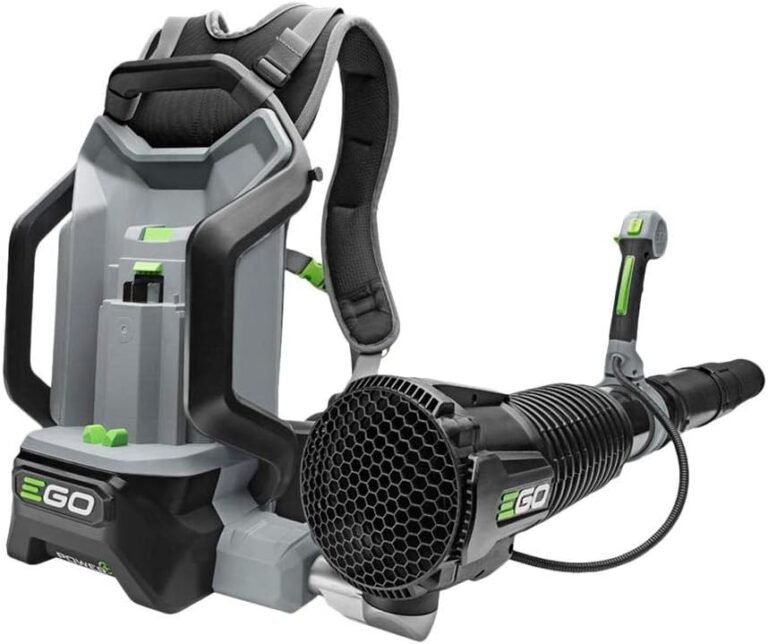
If you’re still deciding which style to buy, this table sums up the key differences. We found that most homeowners base their choice on yard size, noise tolerance, and how often they use the blower. For large yards, our guide to the best backpack leaf blower can help you choose a powerful, comfortable model.
| Feature | Gas | Corded Electric | Battery |
|---|---|---|---|
| Power level | Highest | Medium-high | Medium |
| Noise level | Very loud | Moderate | Quiet |
| Runtime | As long as fuel lasts | Unlimited | 20-40 min per charge |
| Maintenance | High | Low | Very low |
| Weight | Heavy | Light | Medium |
| Upfront cost | Higher | Lowest | Medium |
This isn’t a one-size-fits-all answer. Your neighbors, your back, and your budget all play a role. We found that many homeowners own both a corded blower for small jobs and a battery model for bigger cleanups.
Common Leaf Blower Myths, Busted
A few myths about leaf blowers just won’t die. Let’s clear up the most common ones so you don’t fall for bad advice.
Myth: Leaf blowers just blow leaves around — they don’t actually clean. Not true. A blower with good CFM can move debris off patios, driveways, and decks completely. You just need the right technique and the right specs.
Myth: All blowers are equally bad for the environment. Modern battery blowers produce zero direct emissions. Gas blowers vary widely, but many newer models meet strict emissions standards (EPA).
Myth: You need maximum airspeed to move wet leaves. Actually, air volume matters more for heavy, wet piles. Speed just helps dislodge stuck leaves.
Daily Maintenance Checklist for Long Life
Your leaf blower will last for years if you treat it right. We put together a quick checklist you can run through each season. It takes about ten minutes and prevents most common breakdowns.
- Check and clean the air filter on gas models every few uses.
- Inspect the nozzle and housing for cracks or loose screws.
- Clean out debris from the intake vents after each session.
- For battery models, store batteries at room temperature, not in freezing sheds.
- Use fresh fuel with stabilizer for gas blowers stored over winter.
- Lubricate moving parts on gas engines per the owner’s manual.
We found that most leaf blower repairs come from simple neglect — clogged filters, stale gas, or jammed fans. A few minutes of care keeps your blower running strong for many seasons.
Conclusion
Your leaf blower is a simple machine doing a job that used to take hours by hand. We broke down how it works: a spinning fan pulls air in, the housing builds pressure, and the nozzle turns that pressure into a concentrated blast. You learned why airspeed and volume both matter, how gas, corded, and battery models compare, and which techniques save you the most time.
Now it’s time to put that knowledge to work. Start with the nozzle-angle trick on your next cleanup — it’s the fastest win. Then check your blower’s specs against our 400 CFM and 150 mph guideline. A little understanding goes a long way toward a cleaner yard and a smoother Saturday.
Frequently Asked Questions
Why does my leaf blower lose power after a few minutes?
That usually means the intake vents are clogged with grass clippings or debris. The fan can’t pull in enough air when the vents are blocked, so airflow drops fast. Stop the blower, inspect the vents, and clear any buildup before you continue.
Can I use a leaf blower to clean gutters?
Yes, you can, but you’ll want a model with a narrow attachment to focus the air. Many blowers come with gutter kits, or you can buy an extension wand. Just brace yourself, because the debris and water will come flying back at you.
Why do leaf blower CFM and mph both matter?
Think of CFM as volume and mph as speed. You need the volume to push heavy piles and the speed to dislodge wet or stuck leaves. We found that a blower with balanced numbers handles most yards better than one that maxes out a single spec.
Is it bad to run a leaf blower with wet leaves?
Not at all, but you’ll want the angle trick we covered earlier: aim slightly upward so air gets under the leaves. Wet leaves are heavy, so use a higher CFM setting if your blower has one. You may need a few passes, but it works fine.
How long should a leaf blower last?
With regular maintenance, a quality gas blower can last 5 to 10 years. Battery and corded models often last even longer, but the batteries themselves may need replacing every few seasons. Keeping the filters clean and fuel fresh makes the biggest difference.