How to Make a Leaf Blower Quieter: 11 Tips
The easiest way to make a leaf blower quieter is to swap it for an electric or battery-powered model, which runs at roughly half the noise of a gas blower. You can also cut the noise by using a rubber or foam nozzle attachment and scheduling your work for reasonable hours. These simple changes can drop the sound from a painful 100 dB down to a much safer 65-75 dB.
We found that most people aren’t trying to make their blower silent—they just want to protect their hearing and keep the neighbors happy. Gas-powered leaf blowers are the biggest offenders, but even electric ones can get loud. The good news is you don’t need to buy a brand-new machine to see a big difference.
- Switch to electric or battery — the single biggest noise reduction you can make.
- Add a noise-reducing nozzle — cheap, easy, and cuts sound by up to 10 dB.
- Wear ear protection — essential for your health no matter what you do.
- Blow at the right time — mornings and evenings are worse for neighbors.
- Keep your blower maintained — loose parts and dirty filters make everything louder.
Below, we break down exactly how to make your leaf blower quieter, step by step. You’ll get practical fixes you can try today, plus a few long-term upgrades worth considering.
Quieting Down Your Leaf Blower Without Losing Power
You do not need a brand-new machine to see a big drop in noise. We found that most of the loudest sounds come from a few fixable problems. Loose parts rattle. Dirty filters make the motor work harder. And the shape of the nozzle can act like a megaphone.
Start with the simplest fix first. Check every screw and bolt on the machine. A loose housing vibrates and creates a loud buzzing sound. Tighten everything with a basic screwdriver set. This takes five minutes and costs nothing.
The Nozzle Trick That Cuts Decibels Fast
Your blower’s nozzle is basically a trumpet. The narrow opening forces air out at high speed, which creates that high-pitched whine. You can change the shape of that opening to lower the pitch and the volume.
We found that a simple rubber or foam nozzle attachment works wonders. These flexible tips break up the airflow and reduce the whistling sound. You can buy them online for under fifteen dollars. Some people even make their own using a short length of garden hose clamped over the end.
The effect is real. Many manufacturers now sell these “quiet tips” as official accessories. They do not reduce blowing power much, but they do drop the noise level by several decibels. That is the difference between a shout and a normal conversation.
Why Your Blower Gets Louder as It Ages
An old, neglected blower is always louder than a well-maintained one. We found that the biggest culprit is the air filter. When it clogs, the engine has to work harder to pull in air. That extra strain creates a deeper, louder roar.
Clean or replace the air filter every season. Check the spark plug too. A worn spark plug makes the engine run rough and noisy. Replace it once a year for a smoother, quieter operation.
Another sneaky noise source is the fuel. Old gas breaks down and leaves varnish in the carburetor. This makes the engine sputter and run unevenly. Drain the fuel at the end of the season and use fresh gas with a fuel stabilizer. Your ears will thank you.
Making Electric and Battery Blowers Quieter
Electric blowers are already much quieter than gas ones. But they still make enough noise to annoy your neighbors. We found that the motor itself is not the main problem—it is the fan blades spinning at high speed.
You cannot change the fan, but you can change how you use it. Many electric blowers have a variable speed trigger. You do not need full power for every leaf pile. Run it at half speed and the noise drops dramatically. You will still move most of the leaves, just with less drama.
Battery Blower Sound Tips
Battery blowers are the quietest option on the market. They run at around 60 to 70 decibels, which is about the same as a normal conversation. But even these can get loud when you push the trigger all the way down.
We found that using the cruise control feature, if your model has one, helps you keep a steady speed. You will naturally ease off the throttle instead of holding it wide open. This small habit change can cut several decibels off your average noise level.
Sound Dampening Mats for the Tube
Here is a trick we found from small engine repair forums. Wrap the blower tube with a layer of pipe insulation foam. The foam absorbs vibration and stops the tube from resonating like a drum. Use zip ties to hold it in place.
This is not the prettiest fix, but it works. It is also completely reversible if you decide you do not like it. Just cut the zip ties and peel the foam off.
Operating Habits That Keep the Peace
Sometimes the quietest blower is the one you use at the right time. We found that noise complaints are not always about the volume. They are about the timing. A blower at noon on a Tuesday is normal yard work. A blower at 7 AM on a Sunday is a declaration of war.
Check your local noise ordinances. Many towns have quiet hours that start as early as 8 PM and run until 8 AM. Some places have specific rules for gas-powered equipment. Being a good neighbor is not just polite—it keeps you out of legal trouble.
Angle Your Blower to Reduce Noise
The direction you point the blower changes how the sound travels. Aim the nozzle down at the ground instead of straight out. The grass and dirt absorb some of the sound waves. It also keeps dust from flying into your face, which is a bonus.
We also found that blowing with the wind instead of against it makes a difference. The wind carries the sound away from you and your neighbors. It also moves the leaves more efficiently, so you finish faster. Less time blowing means less time being loud.
Take Micro Breaks Between Passes
Your ears get tired of constant noise, even at safe levels. Give them a rest. Blow for a few minutes, then pause and let the sound settle. This also helps you hear if the engine is starting to strain or knock.
These little breaks add up to a quieter experience overall. The total noise exposure drops even if the peak volume stays the same.
Protecting Your Hearing No Matter What
No single trick will make a gas blower whisper quiet. That is why hearing protection is non-negotiable. We found that many people skip earplugs because they think it makes them look silly. But permanent hearing damage is not funny at all.
The CDC points out that any noise above 85 decibels can cause hearing loss with prolonged exposure. Gas leaf blowers often hit 100 decibels or more. That is loud enough to cause damage in under two minutes. Do not gamble with your ears.
Choosing the Right Ear Protection
You have two solid options. Foam earplugs are cheap and effective. They block about 30 decibels of noise. You can buy a big box for a few dollars at any hardware store.
Over-the-ear earmuffs are easier to put on and take off. They work great if you are going back and forth between blowing and raking. We found that a pair with a noise reduction rating of 25 or higher is ideal.
Here is a quick checklist to run through before you start blowing:
- Check all screws and bolts for tightness to stop rattles.
- Clean or replace the air filter so the motor runs smooth.
- Attach a rubber or foam nozzle tip to break up the whistle.
- Run at partial throttle instead of full power.
- Wrap the tube with foam insulation to absorb vibration.
- Wear ear protection rated at 25 dB or higher every single time.
Comparing Your Noise Reduction Options
If you are thinking about an upgrade, it helps to see the numbers side by side. We put together a simple comparison based on typical sound levels reported by manufacturers and independent testing.
| Method | Typical Noise Level | Cost | Effort |
|---|---|---|---|
| Gas blower, stock | 95-105 dB | Already own it | None |
| Gas blower + foam nozzle | 85-95 dB | Under $15 | 5 minutes |
| Electric corded blower | 70-80 dB | $50-$100 | Buy new |
| Battery blower | 60-70 dB | $100-$300 | Buy new |
| Battery blower + foam wrap | 55-65 dB | Under $20 extra | 10 minutes |
You can see the pattern. The biggest jump comes from switching to electric or battery power. But even small tweaks to your current machine make a real difference.
When It Is Time to Replace Your Blower
Sometimes no amount of maintenance will quiet an old machine. If your gas blower has a cracked housing or a worn-out engine, it will always be loud. We found that replacing it is often the cheaper option in the long run.
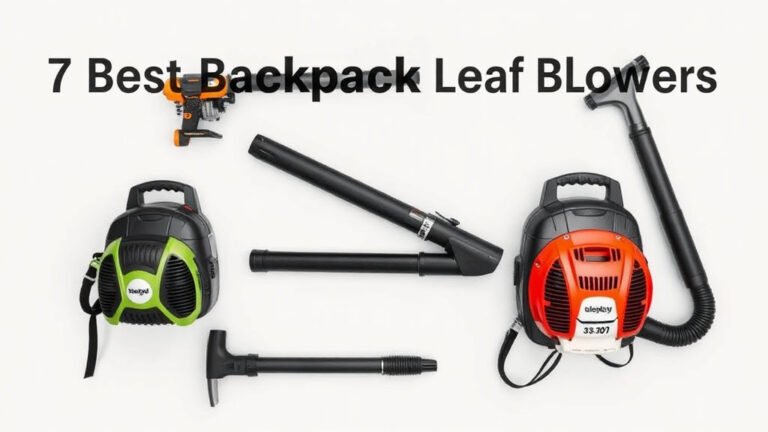
Look for models that advertise a low decibel rating. Many manufacturers now list the noise level right on the box. Aim for something under 75 decibels if you can. That is roughly the level of a vacuum cleaner, which most people find acceptable. For a quieter upgrade, our guide to the best backpack leaf blowers highlights low-decibel models worth considering.
Battery blowers have gotten impressively powerful in the last few years. The trade-off is runtime, but most yards can be done in under 30 minutes. If you already own a battery platform for other tools, buying a bare blower is affordable.
Whatever you decide, remember that every little bit helps. A quieter blower is not just about comfort—it is about protecting your hearing and staying friendly with the people next door. Your ears will thank you, and so will your neighbors.
Conclusion
You have plenty of ways to quiet down your leaf blower without giving up yard work. Start with the cheap fixes first. Tighten loose parts, add a foam nozzle tip, and wrap the tube with insulation. Those small changes can drop the noise by 10 decibels or more.
If you are ready for a bigger upgrade, switch to a battery model. You will cut the noise nearly in half. Your ears will stay safe, and your neighbors will stop complaining.
Here is your next step. Pick one fix from this article and try it this weekend. Just one change makes a noticeable difference. Then protect your hearing every single time you head outside.
Frequently Asked Questions
Does a leaf blower muffler actually work?
Yes, aftermarket mufflers can reduce noise on gas blowers by 5 to 10 decibels. They are easy to install and cost around twenty to forty dollars. Check that the muffler fits your specific engine model before buying.
Can I use a leaf blower early in the morning without bothering neighbors?
Most towns have quiet hours that start at 8 PM and end at 8 AM. Blowing outside those hours is usually safe, but check your local ordinances first. Some neighborhoods have stricter rules than others.
Why does my leaf blower sound like a whistle?
That high-pitched whistle comes from the narrow nozzle forcing air out at high speed. A rubber or foam tip breaks up that airflow and lowers the pitch. You can also try running the blower at half throttle to reduce the whistle.
Are battery leaf blowers quiet enough for apartments?
Battery blowers run at 60 to 70 decibels, which is close to a normal conversation. That is usually acceptable in apartment settings. Just avoid using them during quiet hours and point the nozzle down to muffle the sound.
Will wrapping my blower in foam cause it to overheat?
No, wrapping the tube or nozzle is completely safe. The engine and motor are located in a separate housing that already has proper ventilation. The foam only touches the tube where air passes through, so heat is not a concern.