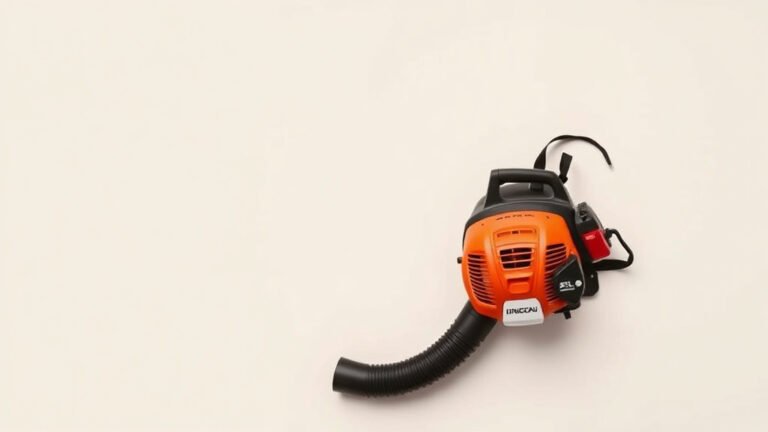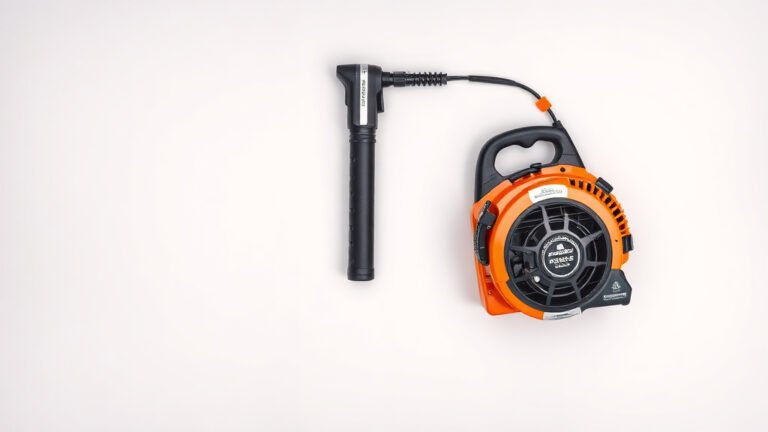
7 Ways to Make Your Leaf Blower More Powerful
The easiest way to make your leaf blower more powerful is to clean or replace the air filter and check the spark plug if it’s a gas model. A clogged filter or dirty plug chokes performance and makes your blower feel weak. You can also boost power by using the right fuel mix and keeping the cooling fins clear of debris.
We found that most leaf blowers lose power from simple neglect, not from worn-out engines. Your machine needs proper airflow, clean fuel, and a clear exhaust to run at full strength. Many experts say that a basic tune-up can restore up to 90% of lost blowing force. You do not need a new blower just because it feels slow today.
- Clean or replace the air filter for better airflow and combustion.
- Use fresh, correctly mixed fuel (gas models) to avoid engine strain.
- Replace the spark plug yearly for a stronger, more reliable ignition.
- Clear the cooling fins and exhaust ports to prevent overheating and power drop.
- Keep the impeller and fan blades clean so air moves with maximum force.
Below, we break down each fix step by step, plus a few quick tricks to get more air speed from your blower today. Let’s walk through exactly what makes your machine weak and how to fix it fast.
Boosting Leaf Blower Performance with Simple Fixes
You do not need to buy a new machine to get more power. We found that most performance problems start with small, fixable issues. Your leaf blower is basically a big fan in a tube. To move air fast, it needs clean intake, strong combustion, and a clear path out. If any part of that chain gets blocked, you lose power.
Why Your Leaf Blower Feels Weak Right Now
Think of your blower like your lungs. If you breathe through a straw, you cannot blow hard. Your machine works the same way. Dirt, old fuel, and carbon buildup act like that straw. They choke the engine and reduce air speed.
We found that many owners ignore the basics. They blame the motor when the real problem is a dirty filter or stale gas. The good news is that these fixes take less than 20 minutes. You just need a few basic tools and a little patience.
Restoring Power with a Simple Engine Tune-Up
A quick tune-up can make your blower feel brand new. Many experts say that regular maintenance restores most lost blowing force. You do not need to be a mechanic to do this. Just follow these steps in order.
Start with the Air Filter for Better Airflow
The air filter is your first line of defense. It keeps dirt out of the engine. But over time, it gets clogged with dust and debris. A clogged filter starves the engine of oxygen. Without oxygen, fuel burns poorly, and you lose power.
Here is how to check it:
- Locate the air filter cover near the carburetor.
- Remove the cover and pull out the foam or paper filter.
- If it is foam, wash it with warm soapy water and let it dry.
- If it is paper and looks dark or oily, replace it.
- Make sure it fits snugly before closing the cover.
We found that cleaning the filter every 10 hours of use keeps the engine breathing well. For gas models, a clean filter also saves fuel. Many guidelines point to this as the most effective first step for restoring power (Consumer Reports).
Replace the Spark Plug for Stronger Ignition
A weak spark means weak combustion. The spark plug ignites the fuel-air mix in the cylinder. If the plug is dirty or worn, the engine misfires. You might notice rough idling or hesitation when you press the trigger.
You should replace the spark plug once a year. It is a cheap part and takes five minutes. Just pull off the boot, use a socket wrench to remove the old plug, and screw in the new one. Gap the new plug to the spec in your manual. A fresh plug gives you a hotter spark, which means more power and easier starts.
Use Fresh Fuel with the Right Mix Ratio
Old fuel is a silent power killer. Gasoline goes bad in about 30 days. It turns gummy and loses its combustive punch. If your blower has been sitting for months, drain the tank and refill it with fresh gas.
For two-stroke engines, the fuel-to-oil ratio matters. Most blowers use 50:1, but check your manual. Too much oil makes the engine smoke and run weak. Too little oil can destroy the motor. We found that using premium fuel with no ethanol helps too. Ethanol attracts water and leaves deposits that clog small engines (U.S. Environmental Protection Agency).
Add a fuel stabilizer if you store the blower for more than a month. This keeps the gas fresh and prevents varnish buildup.
Clearing Blockages in the Air Path
Your blower moves air from the intake to the nozzle. Any blockage along that path kills performance. Many owners forget that the engine itself needs cooling air too. If the engine overheats, it automatically reduces power to protect itself.
Clean the Cooling Fins to Prevent Overheating
Engines have metal fins on the cylinder. These fins dissipate heat. If they are packed with grass or dirt, the engine runs hot. A hot engine loses power and can suffer permanent damage.
Use a soft brush or compressed air to clean the fins. Do this every few weeks during heavy use. You will notice the engine runs cooler and keeps its power longer.
Inspect the Exhaust Port and Muffler
Carbon buildup can clog the exhaust. When exhaust cannot escape, the engine cannot pull in fresh air. This creates a back-pressure effect that saps power.
Check the muffler and exhaust screen for black carbon deposits. You can gently scrape them off with a wire brush. If the screen is damaged, replace it. A clean exhaust path lets the engine breathe out freely.
Check the Impeller and Fan Blades
The impeller is the fan that creates the air blast. If it is cracked, bent, or clogged, you lose blowing force. Remove the blower housing and inspect the fan blades. Clear out any debris stuck between them. If a blade is broken, replace the impeller assembly. We found that a damaged impeller is a common cause of weak airflow that owners overlook.
Quick Tricks to Get More Air Speed Today
Sometimes you need a boost right now, without opening the tool bag. A few simple adjustments can add noticeable airspeed in seconds. These tricks do not require any tools.
Use the Right Nozzle Attachment
The nozzle shape affects air velocity. A wide nozzle moves more air but at a slower speed. A narrow nozzle concentrates the air into a fast, focused stream. For blowing wet leaves or heavy debris, switch to a narrow tip. You will feel the difference immediately. Many blowers come with multiple attachments, so try them all.
Keep the Intake Screen Clear
The intake screen on the side of the blower prevents large debris from entering. But leaves and grass clippings can stick to it. A blocked intake starves the fan of air. We found that simply wiping the screen with your hand every 15 minutes of use keeps performance high.
Adjust the Carburetor for a Richer Mix
Some gas blowers have a small screw on the carburetor. This screw adjusts the fuel mixture. If the engine runs too lean (not enough fuel), it loses power. Turn the screw slightly counterclockwise to richen the mix. Do this in small increments. If the engine bogs down, you have gone too far. This trick works best on older models without automatic mixture control.
Maintenance Checklist for Peak Blower Power
Prevention beats repair. We put together a simple checklist you can follow every month. Print it, stick it in your shed, and run through it quickly before each big job.
- Clean or replace the air filter every 10 hours of use.
- Drain old fuel and refill with fresh, correctly mixed gas.
- Replace the spark plug every spring.
- Brush debris off the cooling fins and engine cylinder.
- Inspect the exhaust screen for carbon buildup.
- Check the impeller and fan blades for damage or clogs.
Stick to this schedule, and your blower will keep its punch all season long. We found that owners who follow this list rarely need repairs. You get more power and a longer tool life for just a few minutes of work.
When to Consider an Upgrade
Sometimes you do need a new machine. If you have done all the tune-ups and the blower still feels weak, the engine might be worn out. Low compression or a scored cylinder cannot be fixed with simple maintenance. But we found that this is the exception, not the rule. Most blowers on the market last for years if you treat them right.
If you are buying a new one, look for a higher cubic centimeter (cc) rating for gas models. For electric blowers, check the airspeed rating in miles per hour (mph) and cubic feet per minute (CFM). These numbers tell you the real power. A blower with 150 mph and 600 CFM will outperform a cheaper model with lower numbers.
Your current blower probably has plenty of life left. Give it a tune-up this weekend. You will be surprised how much power you recover from simple care.
Conclusion
You do not need a new leaf blower to get more power. Most of the time, a weak machine just needs a little attention. Cleaning the air filter, swapping the spark plug, and using fresh fuel will restore most of your lost blowing force.
Start with the simplest fix first. Clean the air filter and clear the intake screen. You will feel the difference right away. Then, work through the tune-up checklist over the weekend. Your blower will run stronger, start easier, and last longer.
Give it a try this weekend. You might be surprised at how much power you recover with just 20 minutes of simple maintenance.
Frequently Asked Questions
Why does my leaf blower sound like it is struggling?
A struggling sound usually means the engine is not getting enough air or fuel. Check the air filter first, as a clogged one chokes the engine. Old gas can also cause rough running and weak power. Clean the filter and refill with fresh fuel to see if the sound improves.
Can I use a leaf blower without an air filter for more power?
No, you should never run your blower without an air filter. Dirt and debris will get sucked into the engine and cause serious damage. The filter does restrict airflow a little, but the protection it provides is worth it. Clean the filter regularly instead of removing it.
Will a bigger nozzle give me more blowing power?
A bigger nozzle moves more air, but at a slower speed. For heavy, wet leaves, you want a narrow nozzle for high velocity. For scattered dry leaves on a lawn, a wider nozzle covers more ground. Try different attachments to find the best match for your job.
How often should I clean the spark arrestor screen?
You should inspect the spark arrestor screen every few months during heavy use. Carbon buildup can clog this screen and reduce exhaust flow, which kills power. Clean it gently with a wire brush if you see heavy deposits. Replace it if the screen is damaged or torn.
Is it worth using premium gas in my leaf blower?
Premium gas with no ethanol is a good choice for small engines. Ethanol attracts moisture and leaves gummy deposits over time. We found that ethanol-free fuel keeps carburetors cleaner and engines running stronger. It costs a little more, but it helps your blower last longer.